

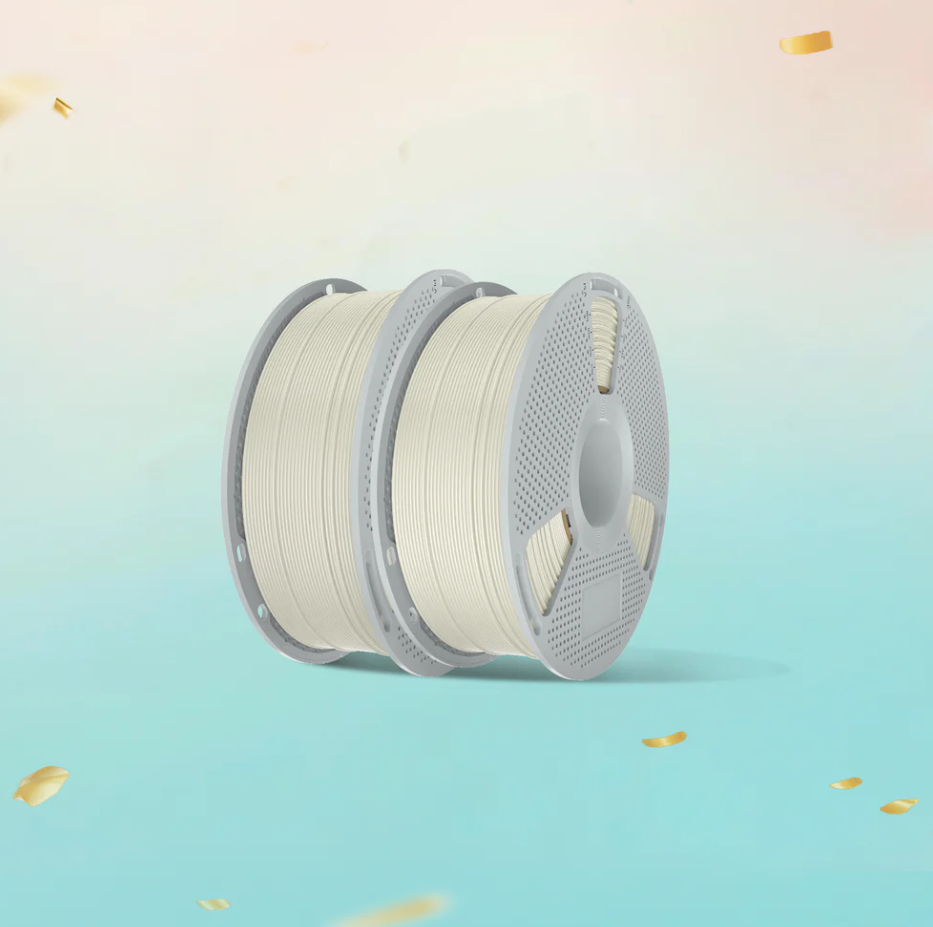
When choosing materials for high-stress 3D printing applications, PC and PC-ABS are two common options because they offer stronger performance than standard printing materials. The answer depends on the project requirements. PC usually provides higher heat resistance and rigidity, while PC-ABS offers a balance between toughness, strength, and printing convenience. Understanding these differences helps engineers select suitable materials for functional parts.
Material selection plays an important role in industrial 3D printing. Different applications require different levels of durability, impact resistance, and temperature stability. SUNLU develops various 3D printing materials for different usage scenarios, including functional materials that support professional users in prototype development and component production.
Performance Differences Between PC and Engineering Filaments
PC and PC-ABS are both used in applications that require improved mechanical performance. PC, also known as polycarbonate, is valued for its high impact resistance and ability to maintain strength under higher temperatures. It is commonly considered for parts that need strong structural support.
PC-ABS is a combination of polycarbonate and ABS materials. This blend provides balanced performance by combining the toughness of PC with the easier processing characteristics of ABS. For projects that require good durability but also need more manageable printing conditions, PC-ABS can be a practical option.
When selecting engineering filaments, users should consider the working environment of the final part. Temperature exposure, mechanical stress, and long-term usage conditions can influence whether PC or PC-ABS is more suitable.
The printing process also affects the final quality of functional parts. Proper temperature settings, suitable printer conditions, and correct material handling are important factors that influence layer bonding and dimensional stability.
How 3D Print Filament Choice Influences High-Stress Parts
A suitable 3D print filament can directly affect the strength and reliability of printed components. For industrial applications, materials need to match the expected performance requirements rather than only focusing on appearance or basic printing results.
PC is often selected for applications that require strong rigidity and heat resistance. However, it usually requires careful control during printing because factors such as cooling conditions and printing temperature may affect the final structure.
PC-ABS provides a different balance. It can offer good impact resistance and durability while being easier to process in some printing environments. This makes it suitable for functional prototypes, equipment housings, and mechanical parts that need stable performance.
SUNLU provides different material options for users who work on various 3D printing projects. Their product range includes PLA, ABS, PETG, TPU, and functional materials designed for different applications. These options allow users to select materials according to specific project requirements.
Reinforced Materials and Specialty Filaments for Industrial Use
For applications that require additional strength, reinforced materials can provide another option. Fiber-reinforced materials are developed by adding reinforcement components to improve mechanical properties and support more demanding applications.
ABS-GF (ABS Glass Fiber) 3D Printer Filament 1KG is one example of a reinforced material designed for functional parts.It contains 10% glass fiber, which improves strength and rigidity for heavy-duty applications. The added fiber structure also supports stronger layer bonding during printing.
This material uses glass fiber reinforcement technology to reduce problems related to warping and cracking. It is designed for industrial-grade applications where improved thermal stability is needed, including automotive parts and components used in higher-temperature environments.
The diameter specification of this material is maintained at 1.75±0.03mm. This specification supports consistent extrusion performance when the printing conditions are properly adjusted.
When users compare specialty filaments, they should review the material structure, mechanical properties, and intended application. Different reinforced materials provide different advantages depending on the project requirements.
Selecting the Right Material for Functional Applications
Choosing between PC and PC-ABS requires an understanding of the final working conditions. If a project requires higher heat resistance and rigid structures, PC may be a suitable choice. If balanced toughness and easier processing are important, PC-ABS may provide a better fit.
Engineers should also consider the equipment available for printing. Some materials require higher printing temperatures and controlled environments. Reviewing these factors before production can help reduce material selection problems.
For companies developing functional prototypes or manufacturing components, selecting the correct 3D print filament is an important step. The right material can support better part performance and improve the efficiency of the development process.
Different industries have different requirements for printed parts. Automotive, industrial equipment, and engineering applications often require materials with stable mechanical performance. Careful material evaluation helps users create parts that match their practical needs.
Material Solutions for Professional 3D Printing Needs
The development of advanced printing materials continues to expand the possibilities of additive manufacturing. Users now have more choices beyond traditional materials, including reinforced options and functional materials designed for specific environments.
SUNLU focuses on developing and providing 3D printing materials and related products for different user groups. Their material range covers standard filaments and functional solutions, helping customers explore more applications in professional printing projects.
For users searching for suitable engineering filaments, understanding material characteristics is an important part of the selection process. Factors such as strength, heat resistance, printing requirements, and application conditions should all be considered together.
Making a Practical Choice for High-Stress Printing
PC and PC-ABS both have their own characteristics for high-stress applications. PC provides strong rigidity and heat resistance, while PC-ABS offers a balance of toughness and processing performance. The right choice depends on the actual needs of the project.
For those exploring specialty filaments, comparing different material properties before printing can help achieve more suitable results. A clear understanding of application requirements allows engineers to make better material decisions.
With experience in 3D printing material development, SUNLU continues to provide material choices for different printing needs. Selecting the appropriate 3D print filament based on project conditions can help users develop functional parts with stable performance and practical value.