

Choosing the right playback solution is one of the most important decisions in an LED display project. Many customers compare a multimedia server with a media player because both devices can display video content, but they are designed for completely different levels of complexity.
A simple media player is usually created for scheduled content playback, digital signage, and basic LED screen applications. A multimedia server, however, is designed for professional environments where precise control, real-time processing, multi-layer composition, and large-scale visual management are required.
For projects such as stage performances, XR studios, exhibitions, command centers, and creative LED installations, understanding these differences helps customers select the right technology. Kystar provides professional LED control solutions designed to meet different application requirements, including advanced media server platforms for demanding visual projects.
What Is a Multimedia Server and How Does It Work?
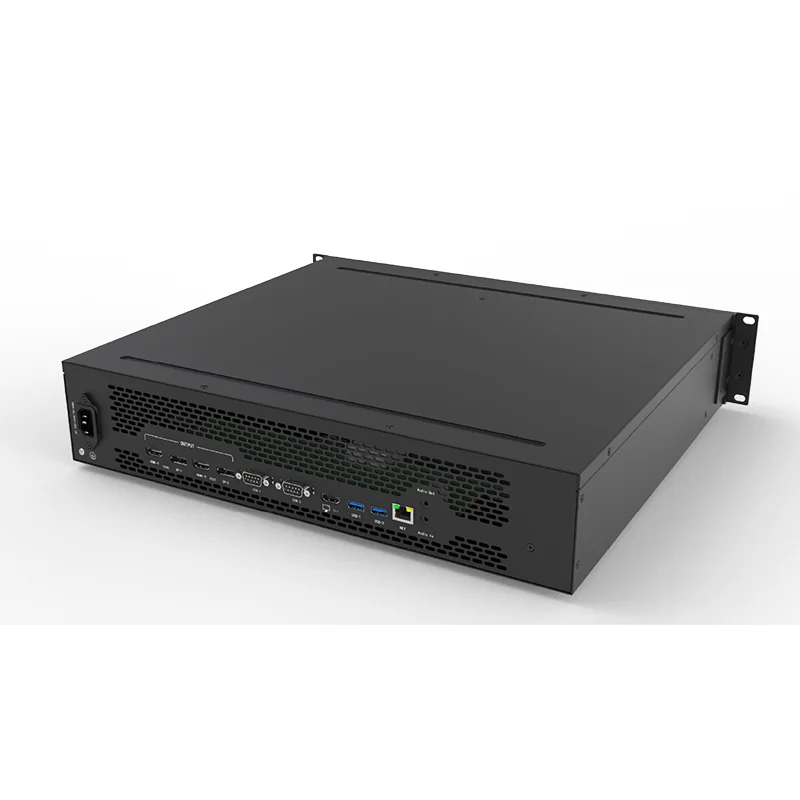
A multimedia server is a professional-grade system that combines powerful rendering, content management, and LED display control capabilities. Unlike basic playback equipment, it processes multiple video sources, complex effects, and customized screen layouts in real time.
For large LED walls, the challenge is not only playing a video file but also controlling how every pixel appears on the screen. A multimedia server can manage irregular LED shapes, ultra-wide displays, multiple outputs, and creative visual effects while maintaining synchronization.
Modern LED projects often require features such as timeline editing, pixel mapping, multi-layer playback, projection blending, and real-time adjustments. These functions allow production teams to create immersive visual experiences instead of simply displaying pre-made videos.
The Kommander series developed by Kystar integrates rendering engines with LED control workflows, helping reduce compatibility issues between different hardware components. It supports applications ranging from live events and XR studios to large fixed installations.
What Is a Media Player and When Is It the Better Choice?
A media player is a compact playback device mainly designed for straightforward content distribution. It is commonly used in advertising screens, retail displays, corporate information boards, and other commercial applications.
The main advantage of a media player is simplicity. Users can upload images, videos, and playlists, then schedule content without requiring specialized operators. This makes it suitable for businesses that need reliable daily playback rather than complex visual production.
For example, a shopping mall LED display showing promotional videos may only require scheduled playback and remote content updates. In this situation, a media player provides an efficient and cost-effective solution.
Kystar’s media player solutions support functions such as offline playback, remote content management, and flexible scheduling, making them suitable for commercial display environments where stable operation is the priority.
Multimedia Server vs. Media Player: Key Differences for LED Projects
- Content Processing Capability
The biggest difference between a multimedia server and a media player is processing power.
A media player focuses on playing prepared content, while a multimedia server handles complex real-time operations. Professional productions often require multiple video layers, live inputs, special effects, and instant scene changes.
For example, a concert LED wall may need different visuals for performers, cameras, animations, and background effects at the same time. A multimedia server can combine these elements smoothly during the performance.
- Display Size and Resolution Requirements
LED projects continue to grow larger and more creative. Curved screens, irregular displays, and ultra-wide LED canvases require accurate mapping and synchronization.
A multimedia server is built for these challenges. It can support customized resolutions and large-scale display environments where traditional playback devices may become limited.
Kystar’s Kommander media server solutions support high-resolution playback, multi-layer management, and scalable display control for complex LED applications.
- Real-Time Control and Operation
Professional events require operators to make immediate adjustments. A multimedia server allows technicians to change scenes, modify layouts, and control visual effects during live operation.
A media player normally follows a predefined playlist. It is ideal for unattended operation but does not provide the same creative flexibility.
For stage productions, broadcast environments, and XR applications, real-time control is often essential because visual content must respond instantly to performers, cameras, or interactive systems.
- Installation Environment
The right choice depends heavily on the project environment.
A media player is suitable for:
Retail advertising screens
Digital signage
Corporate displays
Simple information boards
A multimedia server is more suitable for:
Concert stages
Theater performances
XR virtual production studios
Large exhibitions
Creative LED installations
Command centers
Understanding the project’s operational requirements is more important than simply choosing the device with higher specifications.
How to Choose the Right Solution for an LED Display Project?
Before selecting equipment, customers should consider several key questions.
First, is the LED display mainly used for scheduled playback or interactive visual experiences? If the content changes frequently and requires live control, a multimedia server is usually the better choice.
Second, does the project involve unusual screen shapes or large resolutions? Creative LED structures often need advanced mapping and synchronization functions that basic players cannot provide.
Third, will professional operators manage the system? Large events usually require dedicated control workflows, while commercial displays often prioritize easy operation.
Kystar helps customers match control solutions with project requirements by offering different product categories for professional LED applications. The company’s Kommander platforms are designed for advanced visual control scenarios, while media player products focus on efficient content management for commercial displays.
Selecting the Right Technology Creates Better LED Experiences
The choice between a multimedia server and a media player depends on the complexity, scale, and purpose of an LED project.
A media player is an excellent option for simple, reliable content playback where easy management and low operational requirements are important. A multimedia server is the preferred solution when projects demand creative freedom, real-time processing, multiple content layers, and precise LED control.
For businesses planning advanced LED displays, selecting the correct system at the beginning can improve performance, simplify operation, and protect long-term investment. With professional solutions covering different application needs, Kystar supports customers in building reliable and visually impressive LED display experiences.