

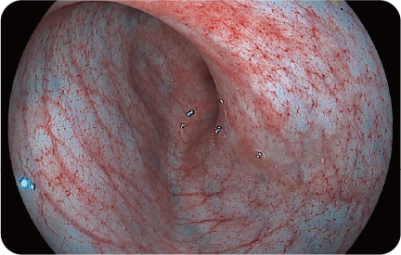
Effective medical interventions in digestive health rely heavily on the integration of advanced visualization technology and standardized protocols. COMEN provides the EIS-2000 Video Endoscopy System to assist medical professionals in achieving high-resolution imaging during complex examinations. By focusing on meticulous preparation and real-time data analysis, healthcare facilities can significantly improve diagnostic yields. The use of a high-performance gastrointestinal endoscope ensures that mucosal changes are captured with clarity, allowing for earlier detection of pathologies. When these technical capabilities are paired with rigorous physician training, the overall safety profile of the department increases.
Prioritizing Patient Preparation and Sedation Protocols
Success in clinical gastrointestinal endoscopy begins well before the insertion of the scope. Departmental guidelines emphasize that patient history reviews and clear fasting instructions are essential to prevent complications and ensure a clear field of view. Proper sedation management, tailored to the specific needs of the individual, allows the clinician to perform a thorough mucosal sweep without patient discomfort. When the medical team maintains a controlled environment, the gastrointestinal endoscope can be maneuvered with greater precision, reducing the risk of accidental tissue trauma. Consistent monitoring of vital signs throughout the process remains a non-negotiable standard for modern endoscopy suites.
Technical Precision in Mucosal Examination
During the active phase of the procedure, the focus shifts to the systematic inspection of the esophageal and gastric linings. Clinicians utilize the system to access high-definition outputs that highlight subtle vascular patterns. This level of detail is vital for clinical gastrointestinal endoscopy as it helps distinguish between benign and malignant lesions. Thoroughness is maintained by following a specific sequence of image capture, ensuring no anatomical landmarks are overlooked. By utilizing the ergonomic features of the hardware, clinicians minimize physical fatigue, which sustains high levels of concentration during long procedural lists.
Post-Procedural Documentation and Scope Maintenance
The final stage of a successful intervention involves comprehensive reporting and the immediate initiation of reprocessing cycles. Standard protocols require that every finding is documented with high-resolution stills and video evidence generated by the gastrointestinal endoscope for future reference. Proper sterilization of the equipment is critical to prevent cross-contamination and to preserve the longevity of the optical components. Adhering to these maintenance cycles ensures that the tools remain reliable for every clinical gastrointestinal endoscopy session. Furthermore, tracking patient recovery outcomes provides valuable data for continuous departmental improvement.
Adhering to established procedural benchmarks ensures that digestive health services remain both safe and effective. By combining skilled clinical techniques with the robust imaging capabilities of COMEN technology, facilities can offer superior diagnostic accuracy. Maintaining a balance between technical proficiency and rigorous safety standards remains the cornerstone of modern gastroenterology.