

As electric vehicles become more common among outdoor travelers, camping equipment is adapting to new vehicle layouts and travel habits. Choosing between a rooftop tent and a vehicle-connected shelter involves more than sleeping capacity. Weight, aerodynamics, setup, climate management, storage, and vehicle compatibility can all affect the camping experience. For EV owners researching camping gear online, understanding these differences can make the decision more practical.
Different Approaches to Vehicle Camping
Rooftop tents are installed directly on the vehicle’s roof rack, creating an elevated sleeping platform. This design keeps campers above ground and can be convenient for travelers who want a dedicated sleeping area. However, the tent remains mounted on the roof during transportation and adds weight to the upper part of the vehicle.
Vehicle-connected shelters use the car differently. Rather than placing the sleeping structure above the vehicle, they extend from the rear or side and create additional living or sleeping space at ground level.
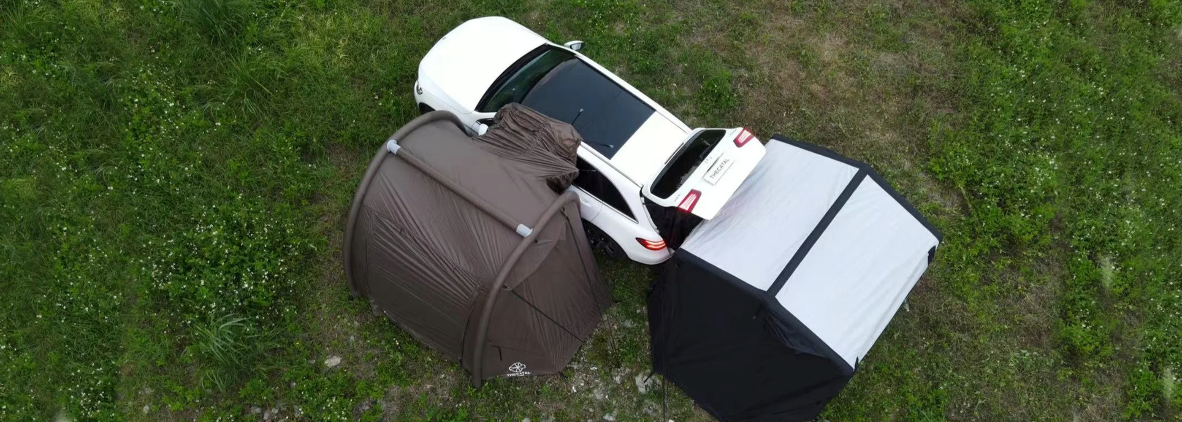
A car tailgate tent can connect with the rear of a compatible vehicle, allowing the car and shelter to function as one camping setup. This can provide easier access to luggage, food, and other equipment stored inside the vehicle while avoiding the need to climb onto the roof.
Weight and Aerodynamic Efficiency
Weight is an important factor for EV owners because additional loads can influence energy consumption. A rooftop tent adds the tent itself and its mounting hardware to the vehicle, while also increasing the weight carried above the passenger compartment.
Aerodynamics also deserves attention. A roof-mounted tent changes the vehicle’s external profile and can increase air resistance during highway driving. The actual impact depends on the vehicle, tent design, speed, and road conditions, but frequent road-tripping EV owners may prefer camping equipment that can be stored inside the vehicle when not in use.
A tailgate shelter can provide this flexibility. When packed away, it does not need to remain permanently attached to the roof, allowing the vehicle to retain a more conventional exterior profile for everyday driving.
Vehicle Integration and Convenience
One of the main differences between these two designs is how the shelter integrates with the vehicle. THECATAL Smart Shell connects with both electric and gasoline vehicles and can be used as a rear tent, side tent, or standalone camping tent. It provides an interior space of 3.5 m × 2.5 m (11.5 ft × 8.2 ft) while weighing approximately 26 pounds (12 kg), offering a flexible option for vehicle-based camping.
Unlike a rooftop tent that creates an elevated sleeping area, Smart Shell extends usable camping space around the vehicle. It can be fully set up in under three minutes and uses silicon-coated ripstop 70D nylon fabric designed to be waterproof, windproof, snow-proof, and heat-resistant. These features make it suitable for different outdoor camping conditions.
Another practical feature is its connection with the vehicle’s air-conditioning system. Smart Shell can work with the air-conditioning system of either an electric or gasoline-powered vehicle, helping users maintain a more comfortable environment inside the shelter. Its multiple configuration options also allow campers to adapt the setup to different vehicles and campsite layouts.
Climate Management for EV Camping
Temperature control is another factor worth considering. Electric vehicles typically have advanced climate-control systems, and some vehicle-connected camping products are designed to use the car as part of the shelter environment.
THECATAL’s Smart Shell, for example, is presented as a vehicle-connected shelter that can work with a vehicle’s air-conditioning system. The manufacturer also describes it as compatible with both electric and gasoline vehicles.
This type of setup may be useful in hot or cool weather, when maintaining a comfortable environment becomes more difficult. Rooftop tents generally rely more heavily on passive ventilation, fabric construction, bedding, and separate heating or cooling equipment.
EV owners should still consider battery consumption when using vehicle climate functions for extended periods. Outdoor temperature, battery capacity, charging access, and planned driving distance can all affect how practical this approach is for a particular trip.
Setup and Road-Trip Flexibility
Setup time can become an important consideration for travelers who change campsites frequently. Rooftop tents can be convenient once installed, but users still need to reach the roof and unfold the sleeping structure.
Ground-level vehicle shelters can offer another approach. Smart Shell is promoted by THECATAL as a quick-deployment shelter, with the manufacturer stating that it can be set up in approximately three minutes.
For EV road trips involving multiple stops, faster deployment can reduce the effort required at each campsite. It may also be helpful for travelers who arrive late, stay only one night, or need to leave early.
Sleeping Height vs. Usable Living Space
Rooftop tents have a clear advantage when elevated sleeping is the priority. They keep occupants above ground and provide a distinct sleeping platform, which can appeal to campers looking for a traditional rooftop camping experience.
Vehicle-connected shelters typically focus more on accessible living space. Their ground-level position can provide room for sitting, organizing gear, changing clothes, or sleeping beside the vehicle.
For EV travelers taking longer road trips, this additional living space may be more useful than an elevated sleeping platform. The vehicle remains immediately accessible, while the shelter effectively increases the usable campsite area.
Vehicle Compatibility Matters
Before choosing either tent type, EV owners should check compatibility carefully. Electric vehicles vary significantly in roof dimensions, rear openings, body shapes, and available mounting points.
THECATAL’s car camping collection currently features Smart Shell and Magic Fort, both designed to work with a wide range of vehicles, including SUVs, compact cars, and vans. Buyers should still confirm that their specific vehicle is suitable before purchasing.
Charging access should also be considered. A campsite setup should not block the charging port or make it difficult to connect the vehicle when charging is required.
Which Tent Is Better for EVs?
There is no universal winner. Rooftop tents can suit EV owners who prioritize elevated sleeping and prefer a permanently vehicle-mounted camping solution.
Vehicle-connected shelters may be more suitable for travelers who value quick setup, direct access to the car, flexible living space, and less equipment mounted on the roof. These features can be particularly useful for road trips where the vehicle serves as both transportation and part of the campsite.
Final Thoughts
For EV owners, the better camping solution depends on driving habits, campsite style, weather, vehicle compatibility, and preferred use of space. THECATAL offers vehicle-oriented camping solutions that provide an alternative to conventional rooftop tents, particularly for travelers seeking a more integrated camping setup.