

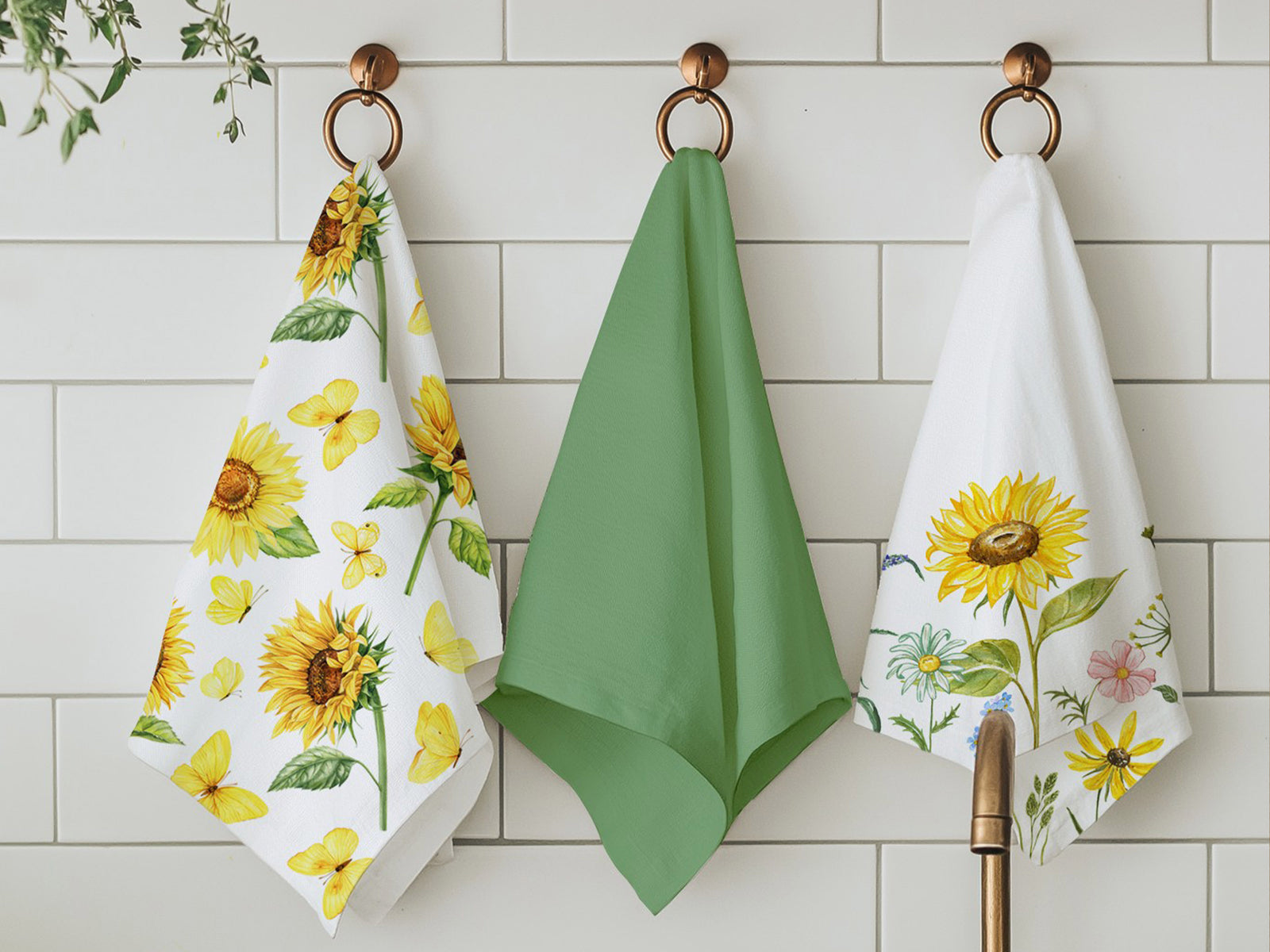
Kitchen textiles have evolved from simple household necessities into products that can combine function, appearance, and brand identity for today’s residential and commercial kitchens. Traditional choices such as cotton towels and dishcloths remain popular because they are familiar and practical. Newer kitchen textiles, however, may offer more design flexibility, specialized functions, or opportunities for customization. The better option depends on how the textile will be used, washed, maintained, and integrated into the kitchen.
Why Traditional Kitchen Textiles Remain Popular
Traditional kitchen textiles are valued mainly for their straightforward functionality. Cotton towels, woven dishcloths, and linen-style fabrics have long been used for drying dishes, handling everyday spills, and keeping kitchen surfaces clean.
Their main advantage is familiarity. Users generally understand how to wash, store, and reuse them, while manufacturers can produce established textile formats efficiently. Traditional designs can also fit naturally into different kitchen styles without requiring extensive product development.
For households or businesses that prioritize proven everyday utility, conventional textiles remain a dependable choice.
What Sets New Kitchen Textiles Apart
Newer kitchen textiles tend to place greater emphasis on design, usability, and product differentiation. Instead of being treated as purely functional accessories, they can be developed around particular colors, patterns, dimensions, packaging concepts, or intended uses.
Customization is another major difference. Modern textile production can allow brands to select fabric, colors, artwork, sizing, packaging, and finishing options according to a specific concept. This can be useful for businesses that want kitchen products to become part of their visual identity rather than generic household goods.
Comparing Absorbency, Durability, and Maintenance
Performance should be considered before appearance. Kitchen textiles are frequently exposed to moisture, food residue, stains, and repeated washing, so absorbency and durability are important considerations.
Cotton remains widely used because it can absorb moisture effectively and is suitable for many everyday kitchen applications. Linen is also valued for its functional qualities, although the final performance depends on the specific fabric construction and product design.
Newer textile products may focus on combining different material characteristics or tailoring the construction to a particular task. Buyers should therefore compare the actual fabric composition and care instructions instead of assuming that a newer product is automatically more durable.
Why Do Design and Customization Matter?
Design can influence how kitchen textiles fit into a home, retail collection, hospitality environment, or promotional program. A consistent pattern or color palette can make practical items feel like part of a coordinated interior or product range.
For brands, this becomes even more relevant. A tea towel or kitchen accessory can carry logos, artwork, or a distinctive visual style, turning an ordinary household item into a branded product.
The potential value is not limited to appearance. A well-designed textile can make a product easier to distinguish from standard alternatives and can support a more consistent customer experience.
Choosing the Right Kitchen Textiles for Different Uses
The right option depends on the application. A family kitchen may prioritize easy washing and reliable daily performance, while a hospitality business may place greater emphasis on consistency, presentation, and durability across larger quantities.
Retailers and lifestyle brands may also approach the decision differently. They may need products that coordinate with an existing collection, match a seasonal theme, or support a specific customer segment.
This is where customization can be practical. The product can be developed around the intended use instead of selecting a generic textile first and adapting the concept afterward.
What Home Textile Products Can Modern Brands Explore?
Modern kitchen textile programs can extend beyond a single towel. Current textile collections can include tea towels, dishcloths, kitchen sets, and other reusable household products, allowing brands to develop related items around the same design language.
Among the published Bulijojo categories are tea towels and kitchen sets, alongside other home textile products such as Swedish dishcloths, blankets, tote bags, and beach towels. The company also presents low-MOQ custom production for small and growing brands.
This type of broader range can make it easier to create coordinated product collections rather than relying on one standalone kitchen accessory.
Which Option Is Better for Your Needs?
There is no universal winner between new and traditional kitchen textiles. Traditional products remain strong when reliability, familiarity, and simple maintenance are the main priorities. Newer customized options become more attractive when design flexibility, differentiation, or a coordinated product concept is more important.
Before choosing, compare material composition, construction, washing requirements, intended use, order quantity, and overall product purpose. A textile that looks innovative but performs poorly will not create lasting value.
For brands developing home textile products, a practical approach is to balance established functionality with useful innovation. Bulijojo‘s combination of customizable textile products and multiple household categories provides one route for businesses looking to develop kitchen textiles around a specific design or market concept.