

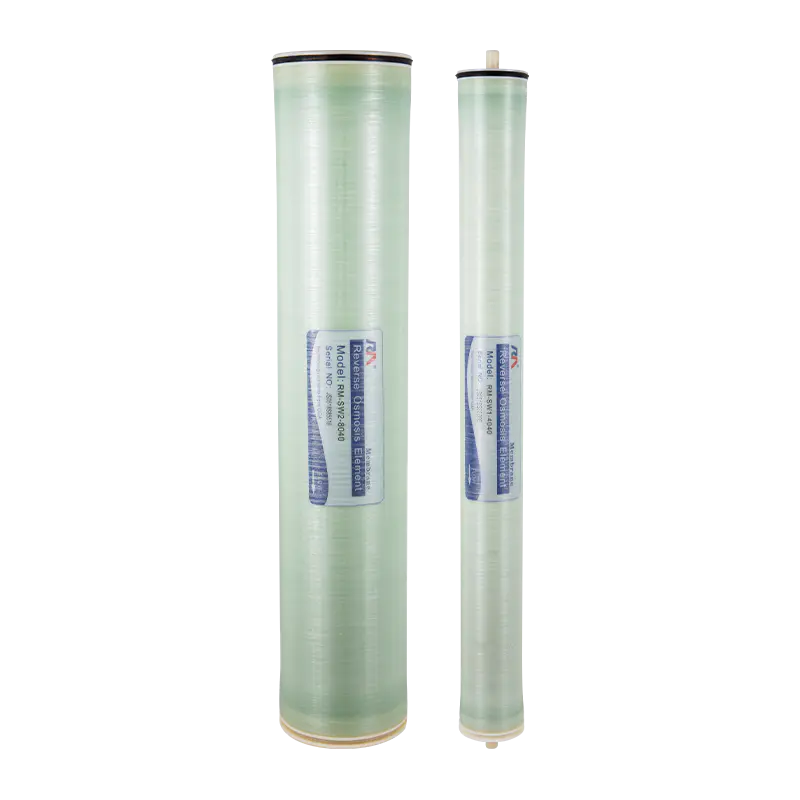
Coastal regions face mounting freshwater challenges driven by population growth and recurring drought events. Researchers and engineers are advancing practical solutions to supplement declining groundwater and surface water supplies. Reverse osmosis desalination offers a well-established method for converting seawater reverse osmosisinto safe drinking water. Many communities with limited freshwater access now rely on this membrane-based process to support sustainable water management.
The Core Physics of Osmosis and Pressure
Natural osmotic flow drives solvent molecules across semi-permeable barriers from regions of low solute concentration toward high concentrations. Overcoming this thermodynamic phenomenon requires applying external mechanical pressure that exceeds the natural osmotic equilibrium of the saline feed. Modern modular designs optimize internal fluid dynamics to minimize energy losses during continuous high-pressure pumping operations. Facility operators monitor pressure differentials closely to maintain optimal filtration rates and prevent premature membrane wear.
Advances in Aromatic Polyamide Membrane Materials
Polymer chemistry breakthroughs have yielded sophisticated composite barriers capable of withstanding extreme osmotic pressures without losing structural integrity. Interfacial polymerization techniques produce exceptionally thin barrier layers that maximize pure water permeability while blocking dissolved salts. Specialized aromatic polyamide structures demonstrate remarkable selectivity, separating sodium and chloride ions effectively from the passing fluid stream. Engineering teams select specific polymer formulations based on the salinity and temperature profiles of target water sources.
Energy Optimization in Large-Scale Desalination Plants
Power consumption historically represented the single largest operational expenditure for commercial seawater desalination facilities worldwide. Modern energy recovery devices capture hydraulic energy from high-pressure reject brine streams and transfer it directly to incoming feed water. This mechanical integration drastically reduces the electrical power required to drive high-pressure pumps. Consequently, municipal utility providers produce fresh water at significantly lower financial costs and reduced carbon emissions.
Pretreatment Protocols for Saline Feed Streams
Raw ocean water contains suspended silt, organic matter, and marine microorganisms that threaten downstream filtration performance rapidly. Robust pretreatment trains utilize dual-media filters and ultrafiltration modules to clarify incoming saline feeds before final demineralization. Removing microscopic suspended solids prevents surface fouling and extends the operational lifespan of sensitive separation elements. Comprehensive chemical conditioning further inhibits calcium sulfate scaling inside the high-pressure housing vessels.
High Concentration Applications and Brine Management
Industrial processes frequently generate concentrated saline wastewaters that require specialized treatment before environmental discharge or internal recycling. Specialized membrane configurations handle high-salinity brines efficiently, recovering valuable liquid fractions while concentrating residual waste streams. Power plants utilize these robust systems to purify boiler feed water and manage cooling tower blowdown safely. Optimizing recovery rates helps industrial facilities comply with strict environmental regulations regarding zero liquid discharge mandates.
Implementing high-rejection nanofiltration or reverse osmosis stages in series, combined with brine concentrators and crystallizers, enables facilities to achieve recovery rates above 90% while producing solid salts suitable for disposal or beneficial reuse. Coupling these systems with waste heat recovery and renewable energy integration further reduces the overall environmental footprint of brine treatment. Such comprehensive brine management strategies not only ensure regulatory compliance but also transform waste streams into valuable byproducts, supporting circular economy principles within water-intensive industries such as power generation, chemical manufacturing, and mining operations.
Specialized Seawater Membrane Element Designs
Modern engineering optimizations allow specific membrane components to increase overall water production capacity significantly under identical operating conditions. The SW series is an aromatic polyamide composite membrane element designed specifically for seawater desalination and high-concentration brackish water treatment. Operating at lower pressures, these components reduce capital equipment investment while maintaining high salt rejection performance. Their high desalination rate enables the production of drinking water from raw ocean sources through efficient first-order configurations.
Environmental Protection and Ecological Balance
Modern desalination infrastructure incorporates careful intake and discharge planning to minimize impacts on marine ecosystems. Subsurface intake systems filter seawater naturally through coastal sediments, reducing the entrainment of small marine organisms significantly. Diffuser outfall designs promote rapid mixing of concentrated brine reject streams with ambient ocean water. Balancing technological productivity with ecological stewardship ensures the long-term health of coastal environments.
Additionally, integrating energy recovery devices—such as pressure exchangers or Pelton wheel turbines—substantially lowers the specific energy consumption of high-pressure pumps, reducing both operational costs and the carbon intensity of freshwater production. When coupled with periodic environmental monitoring of salinity, temperature, and discharge plume dispersion, these design measures ensure that brine dilution remains within acceptable regulatory limits. This holistic approach not only safeguards benthic habitats and fish migration corridors but also supports transparent stakeholder engagement and public acceptance of desalination projects as sustainable water supply solutions.
Conclusion
Oceanic desalination plays an increasingly vital role in securing reliable freshwater supplies for arid coastal communities. Seawater reverse osmosis offers an energy-efficient, scientifically proven pathway to convert abundant saline resources into potable water. Runmo manufactures advanced industrial separation products designed to handle rigorous municipal and industrial filtration challenges. Runmo supplies specialized components such as the SW series for seawater desalination, helping project developers achieve sustainable operational outcomes. Submit an online inquiry today to discuss specific municipal water treatment project requirements.