

Two companies may quote the same mattress and describe themselves with similar language, yet control very different parts of the order. One may build the mattress, purchase its materials, and inspect the finished product. Another may source it from a separate producer and manage communication, payment, packaging, or export.
Neither arrangement is automatically better for every buyer. The distinction between a mattress factory and a mattress supplier matters because it determines who can change the product, who sees a problem during production, and who is responsible for resolving it. Those responsibilities are more useful than the labels on a website.
What a Factory Controls
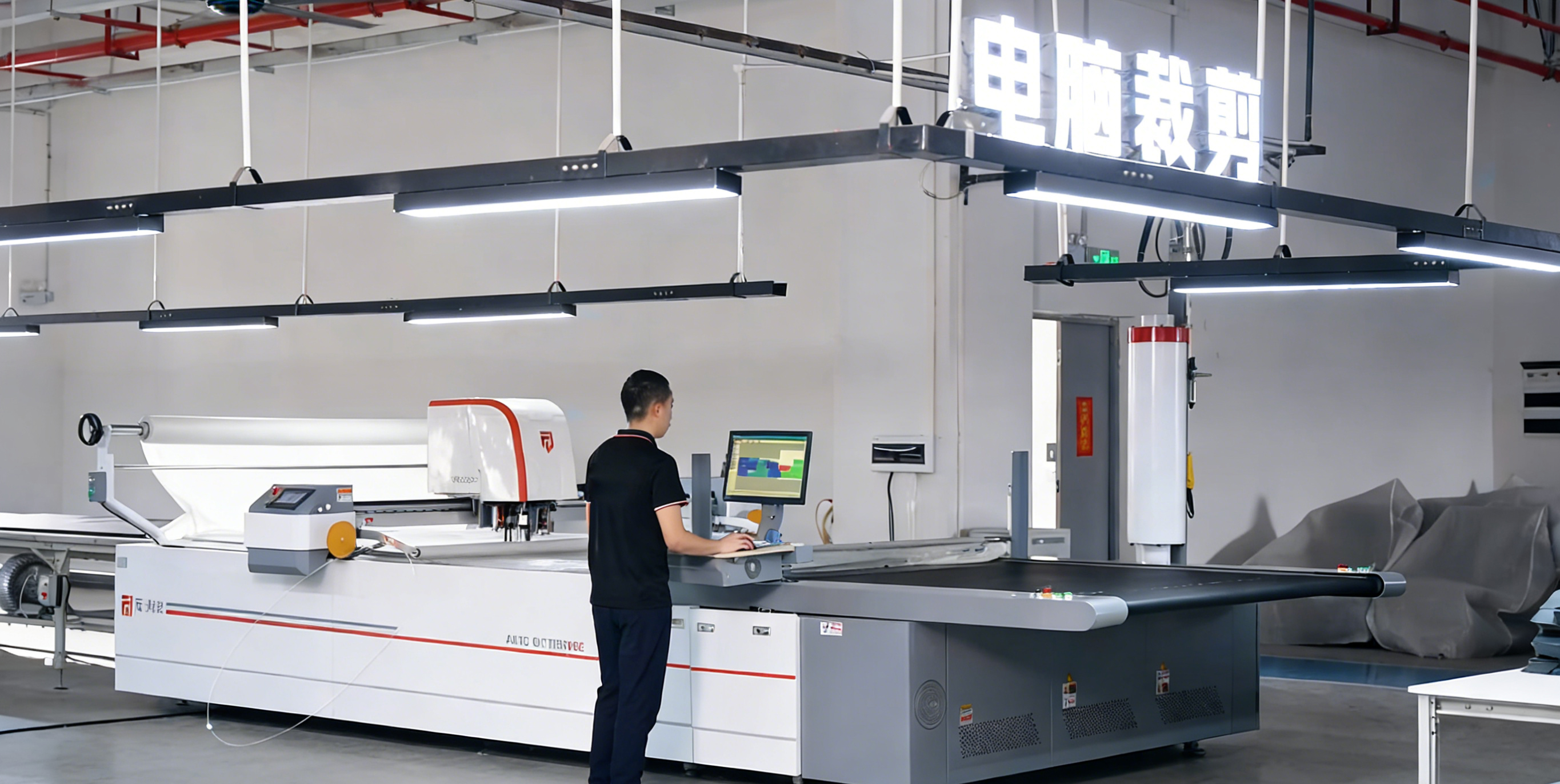
A factory’s defining role is production. Its team turns a specification into a mattress through material selection, assembly, finishing, and inspection. If a buyer asks for a different size or fabric, the factory can assess the consequences for production and explain which steps need to change.
Direct access to that process may be valuable for a private-label brand or a hotel project with unusual dimensions. It can also make quality discussions more precise, because the producer can identify where a deviation arose.
The term factory does not guarantee that every material or operation happens under one roof. Springs, fabric, foam, and packaging may still come from different sources. The important issue is who approves those inputs and controls the finished specification. A buyer examining a factory-direct offer can ask how an approved sample is recorded, how substitutions are authorized, and which inspections occur before a carton is sealed. Production ownership has practical value only when those answers are clear.
What a Supplier Coordinates
A buyer’s contact may not own the machines that build the mattress. That role can include finding suitable models, consolidating orders, arranging samples, communicating specifications, managing documents, and coordinating delivery. A supplier might own a factory, work closely with one, or purchase from several manufacturers. The structure affects how quickly a technical question reaches the production floor and how accountability is assigned when a shipment does not match the agreed product.
For a retailer purchasing several mattress types, a China mattress supplier may simplify ordering and offer a broader range. A business seeking control over a proprietary construction may value direct contact with the manufacturer instead. Both buyers need to know whether the quoted company can approve design changes itself or must obtain agreement elsewhere.
A clear purchasing contract should identify the producer, the party responsible for inspection, and the contact who will handle claims after arrival. A short title used in a catalog does not settle any of those questions.
The search phrase “China mattress supplier” can refer to either kind of business. A buyer can distinguish them by requesting the factory address, the identity of the producer on the order, and an explanation of who controls the bill of materials. If the quoting party relies on an outside plant, the contract should make inspection access and change approval explicit. If it owns the plant, the buyer can still ask which materials and services are outsourced.
One Company May Perform Both Roles
The distinction is not always a choice between two separate organizations. Suisin Furniture identifies itself as a manufacturer, rather than solely a trading company, and says it integrates product development, manufacturing, sales, and service. Its factory-direct offering covers production, quality control, packaging, and export support.
The same operation also serves wholesalers, retailers, importers, and project buyers. OEM and ODM options include changes to size, materials, colors, styles, branding, and packaging. Those statements describe how manufacturing and supply-service functions can sit within one business.
An integrated arrangement can reduce the number of handoffs, but the buyer still needs to map its specific order. For example, who approves a revised cover fabric? Which team checks the finished dimensions? If several furniture categories ship together, who confirms that the packing list matches the purchase order? Asking these questions tests the claimed integration without assuming that every service applies to every model or project. It also clarifies which decisions require buyer approval before production proceeds.
An order may pass from sales through development to production. One controlled specification keeps those teams aligned and prevents a sample change from disappearing before bulk manufacture.
When evaluating Suisin Furniture for a new mattress line, a buyer may prioritize access to engineering and production decisions. A buyer replenishing established products may place greater weight on order management and predictable delivery. Large hospitality projects can require both: manufacturing control for a fixed room specification and supply coordination across many units. The appropriate partner is the one whose responsibilities cover the stages that create the most risk for that buyer, especially during development and early ordering.
Comparing a mattress factory with a mattress supplier is therefore a comparison of roles, not a ranking of labels. The manufacturing role controls how the mattress is made; the supply role connects that output to the buyer’s commercial and delivery needs. A company can hold both roles, provided the responsibilities are visible and verifiable. The useful final question is who will own each decision from approved specification to received shipment.