

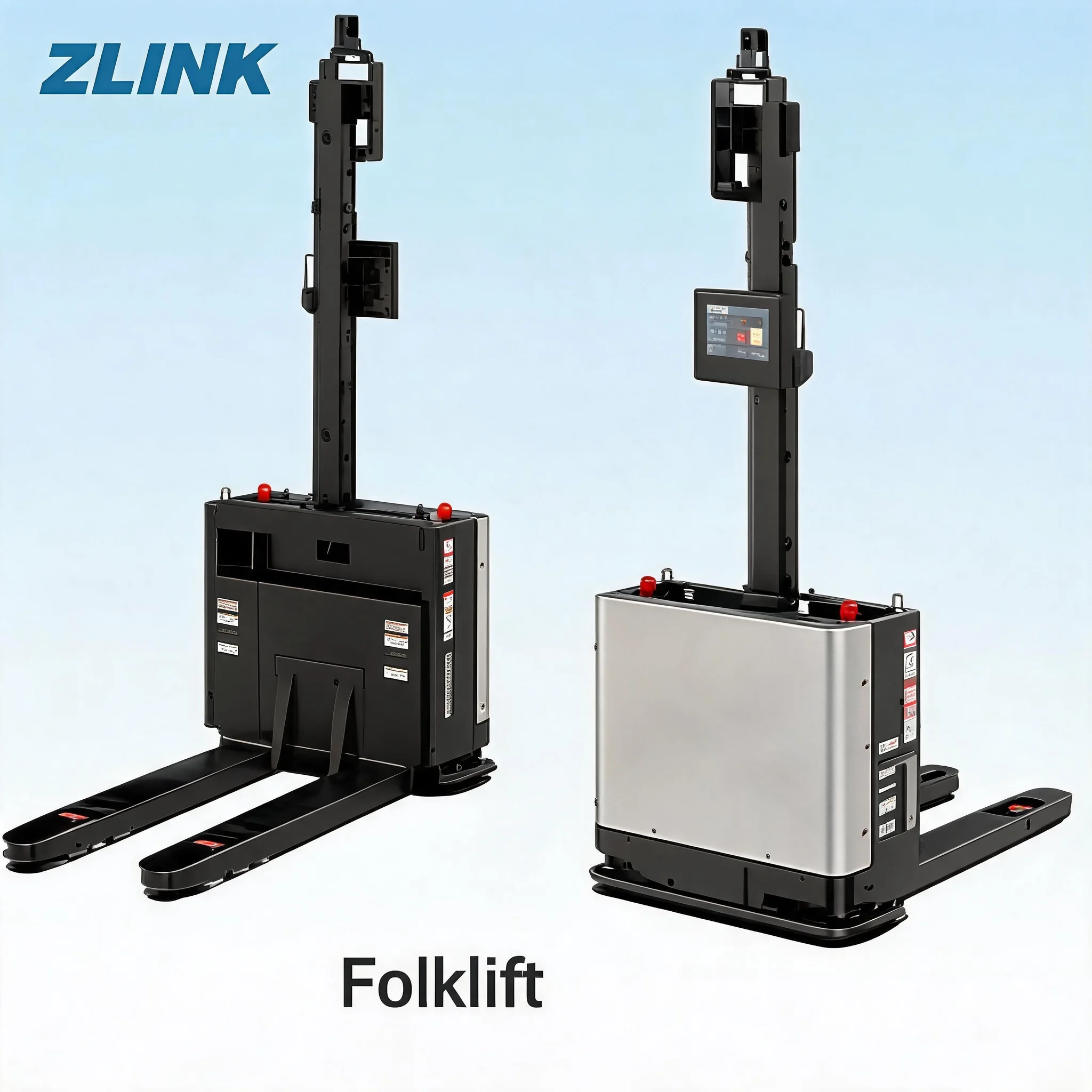
Modern nonwoven converting facilities increasingly prioritize internal logistics automation to maintain continuous material supply across high capacity processing environments. Transferring massive nonwoven jumbo rolls from raw storage bays to unwinding stations requires synchronized handling mechanisms to avoid manual congestion and line delays. Integrating specialized automated mobile platforms streamlining raw material transport allows production supervisors to maintain predictable workflow velocities while minimizing substrate damage risks during transit. Deploying an advanced automated material handling system helps wet wipe converting facilities establish seamless transitions between warehouse storage and high speed conversion machinery across continuous operating shifts.
Minimizing Manual Roll Interventions in Nonwoven Converting Operations
Heavy nonwoven jumbo rolls demand careful transport methods to preserve fiber structural integrity and outer web cleanliness prior to automated unwinding. Traditional forklift transport introduces potential physical contamination risks, floor traffic bottlenecks, and variable delivery intervals that disrupt optimized converting workflows.
Roll transport planning may consider roll weight, core size, travel distance, aisle width, and unwinding stand height. ZLINK AGV material handling systems can be reviewed with laser guidance and obstacle detection settings matched to the plant layout. This helps support predictable delivery intervals while keeping manual intervention available for exceptions and maintenance.
Automated guided vehicles navigate dynamic plant layouts utilizing laser guidance and optical mapping, ensuring smooth roll delivery directly to designated unwinding racks without human intervention. Standardizing raw material delivery intervals prevents machine idling while allowing machine operators to focus on quality monitoring and web splicing preparation across processing lines.
Automated Loading Compatibility with High Speed Unwinding Stations
High speed converting lines process broad nonwoven webs rapidly, requiring precise alignment during automated roll replenishment and automatic splicing cycles. Autonomous mobile vehicles align heavy nonwoven rolls accurately with dual axis unwinding stands, ensuring web guiders pull material smoothly without introducing transverse tension fluctuations.
Loading compatibility can be reviewed with stand centerline, roll lifting height, splice table position, and line controller signals. ZLINK material handling configurations can be discussed with automatic request logic based on consumption data. Checking these interfaces during layout planning can help reduce loading delays and support smoother roll changes.
Seamless integration between mobile delivery robots and converting line controllers allows automated requests to trigger based on real time substrate consumption metrics. Utilizing intelligent logistics configurations enables plant managers to maintain continuous material flow while eliminating material loading delays during non stop high speed production runs.
Enhancing In House Safety and Floor Space Efficiency
Eliminating manual transport vehicles in converting bays significantly reduces workplace hazards and improves overall floor traffic organization around wet wipe production machinery. Autonomous mobile units follow programmed paths and use multidirectional obstacle detection sensors to support safer navigation around personnel and stationary machinery. Clear travel corridors reduce floor space requirements, permitting plant layout designers to optimize machine spacing and maintain unhindered access for maintenance personnel. Streamlining internal transport infrastructure supports cleaner factory environments required for manufacturing sanitary infant wipes, medical wipes, and personal care products under strict hygienic standards.
Downstream Logistics Integration and Automated Palletization Configurations
Upstream nonwoven transport systems work in harmony with downstream packaging automation to form a unified, data driven manufacturing ecosystem. Finished flow packs passing vision inspection nodes advance toward end of line cartoning stations and centralized robotic packing modules systematically. Connecting raw material transport with an automated palletizing system establishes end to end material traceability from raw nonwoven intake to final stretch wrapped shipping pallets. Synchronizing material inflow with outbound finished goods logistics eliminates warehouse staging bottlenecks, optimizing factory floor utilization while maintaining consistent throughput across every shift.
Centralized Supervisory Control and Operational Data Analytics
Managing autonomous mobile fleets requires robust supervisory software platforms integrated with factory programmable logic controllers and supervisory control systems. Centralized management dashboards track real time vehicle locations, battery charge status, and pending material delivery tasks across every converting lane continuously. Automated alerts notify plant operators regarding incoming material arrivals, allowing quick preparation for continuous nonwoven roll splicing without interrupting converting speeds. Operating versatile ZLINK wet wipes machinery alongside intelligent material handling configurations enables converting facilities to optimize overall equipment effectiveness and maintain repeatable manufacturing quality.
Scalable Material Flow Design for Expanding Converting Facilities
As manufacturing facilities expand production capacity by adding multi lane converting machinery, automated logistics configurations offer essential operational flexibility. Facilities can deploy additional autonomous mobile units to existing floor infrastructure without requiring costly physical conveyor rebuilds or structural facility alterations.
Expansion planning may consider future lane count, storage distance, and vehicle charging space. ZLINK modular material handling configurations can be reviewed so that additional units or routes may be added with limited structural change. This approach is intended to support phased capacity growth while preserving access for operators and maintenance staff.
Programmable routing allows plant managers to reassign transport tasks dynamically, matching shifting production schedules between primary converting zones and finished goods storage. Implementing flexible material handling architectures ensures that growing converting facilities maintain lean manufacturing standards while maximizing return on capital equipment investments.