

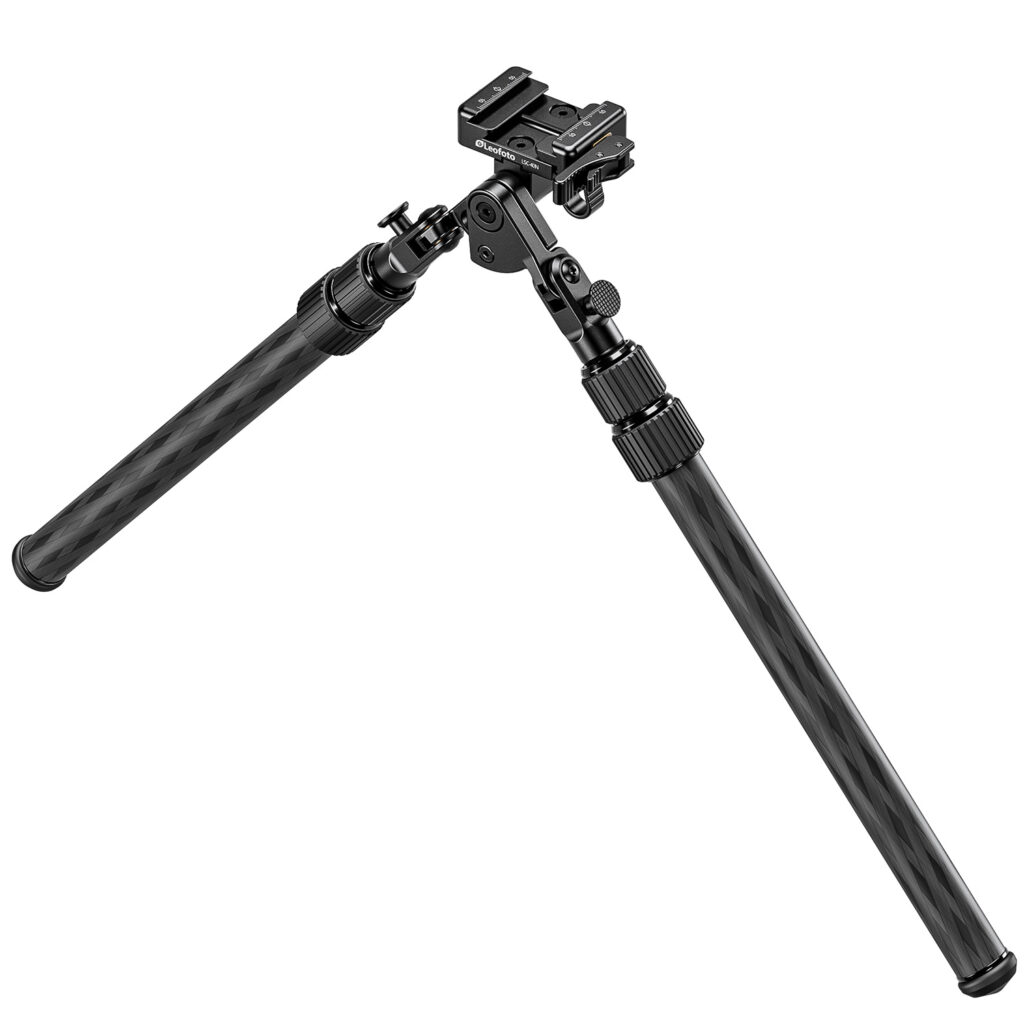
Backcountry wilderness hunting forces hunters to balance strict pack weight limitations with absolute shooting stability. Miles of steep ascents, dense timber, and unpredictable scree fields expose gear that cannot endure physical punishment. Support equipment must perform reliably when a fleeting shooting opportunity emerges across a windy canyon or along a high-alpine basin.
Identifying the best hunting bipod requires understanding how specific mechanical features translate into dependable field performance. Gear hauled across rugged wilderness basins cannot add dead weight, yet flimsy supports easily flex under recoil impulse. Dedicated hunters require an adaptable support system that integrates versatile elevation, rigid leg architecture, and smooth leveling capabilities.
Terrain-Adaptive Height Architecture for Wilderness Encounters
Steep mountain terrain rarely presents flat shooting benches or manicured firing points. Backcountry game frequently appears above severe inclines or below sharp drop-offs, demanding extensive elevation flexibility from the support frame. Fixed-length legs frequently fail in these scenarios because natural ground contours change drastically within a tiny shooting footprint.
Low-to-mid elevation adjustment ranges provide a functional compromise between low prone profiles and elevated brush clearance. A specialized hunting bipod allows the rifle to drop low for prone concealment while extending smoothly to clear mountain heather, sagebrush, or rocky shelves. Such elevation spans accommodate stable seated positions when tall ground vegetation obstructs lower sightlines.
Independent multi-angle leg locks expand this positional versatility across uneven mountainsides. Shooters can splay one leg forward at an acute angle while positioning the downhill leg steeply to maintain horizontal balance. Sturdy internal detents firmly stop leg sections from collapsing under the forward loading pressure applied by precision rifle shooters.
Structural Rigidity: Crossed-Pattern Carbon Fiber and Machined Alloys
Demanding wilderness hunts require components that reduce overall pack burden without introducing structural weakness. Heavy metal assemblies burden hunters during grueling high-elevation treks, whereas thin structural composite tubes easily buckle under sudden impact or lateral loading. Frame rigidity directly dictates shot placement consistency under the sharp recoil of modern magnum cartridges.
Crossed-pattern carbon-fiber leg tubes address this structural challenge by orienting carbon filaments in intersecting multi-directional layers. In support platforms engineered by Leofoto, this cross-weave architecture dissipates mechanical vibration and resists rotational twisting along the tube walls. The resulting leg structure remains remarkably light in hand while maintaining high rigidity during aggressive shot delivery.
Precision CNC-machined aircraft-grade aluminum forms the apex housing and leg knuckles, providing an exceptionally stable mechanical foundation. Selecting the best hunting bipod involves verifying that machined moving joints possess tight operational tolerances to minimize structural play. Solid machining prevents unwanted shift when leaning hard into the rifle stock prior to trigger break.
Real-Time Leveling: Cant Mechanisms and Articulated Leg Geometry
Natural wilderness terrain constantly tilts rifles along cross-slopes, challenging optical alignment. An unlevel scope reticle introduces severe horizontal impact errors at long range, turning well-aimed shots into clean misses. Hunters traversing alpine slopes cannot waste precious time adjusting individual leg collars over jagged rock slabs or slippery turf.
Integrated cant mechanisms provide immediate crosshair leveling without moving the bipod feet. Utilizing a specialized hunting bipod equipped with a cant control knob or tension lever enables hunters to smoothly rotate the rifle along its longitudinal axis. This mechanism allows precise reticle alignment while keeping both leg pads planted firmly on steep, broken ground.
Smooth friction adjustability permits hunters to match resistance against their rifle configuration and shooting style. Moderate tension holds the rifle level against normal body movement without requiring a rigid mechanical lock. If game suddenly shifts position across a draw, the fluid pivot action tracks motion smoothly without binding the mechanism.
Mounting Versatility: Dual-Interface Locking on Mobile Platforms
Solid rifle attachment forms the vital mechanical bridge between the weapon forend and supporting legs. Contemporary rifles incorporate varied mounting standards, including traditional sling swivel studs, Arca-Swiss dovetails, and Picatinny rails. The dual-interface clamp engineered by Leofoto locks onto both Arca dovetails and Picatinny rails directly, removing the need for heavy, stackable adapter plates.
Quick-release clamping systems facilitate fast field attachment when stalking game through thick timber. Choosing the best hunting bipod means selecting a mounting platform that locks firmly without rattling loose during grueling physical pack-ins. Dependable clamping security maintains point-of-impact consistency regardless of how firmly the shooter leans into the rifle forend.
Low-profile mounting hubs seat the rifle close to the support axis, optimizing overall shooting balance. Minimizing vertical height between the barrel center and the pivot joint reduces muzzle jump and recoil-induced torque. Consequently, the optic reticle settles back on target quickly, allowing shooters to maintain sight picture and spot bullet impacts.
Field Reliability and Environmental Hardening in Remote Basins
Modular foot systems dictate how solidly a shooting support anchors into diverse outdoor terrain. Standard rubber foot caps grip slick granite slabs, preventing unwanted slippage on dry rock ledges. Swapping to stainless steel spikes converts the hunting bipod into an unyielding anchor on frozen shale, slick mud, and compact alpine snowpack.
Harsh environmental exposure to blowing grit, driving sleet, and freezing temperatures severely challenges mechanical hardware. Hard-anodized surface coatings featured on Leofoto hardware shield exposed metal components from moisture oxidation and heavy abrasion. Weather-sealed collars keep grit and freezing ice from penetrating threaded mechanisms during extended wilderness pack-ins.
Combining lightweight construction, structural stiffness, rapid elevation adjustability, and reliable leveling establishes an essential backcountry shooting tool. Wilderness hunts present severe physical challenges that quickly expose fragile gear. Demanding hunters rely on purposeful engineering—such as crossed-pattern carbon-fiber, tight machining tolerances, and versatile rail mounting—to establish rock-solid rifle stability across remote mountains.