

In modern swine production, achieving peak performance and optimal animal welfare requires precise control over environmental factors. Among these, lighting is often misunderstood. The common assumption that more light equals more growth is a fallacy rooted in outdated practices.
The truth is, while proper illumination is critical for worker safety and pig management, a sustained period of darkness is biologically indispensable. The question is not simply, “Do pigs need light at night?” but rather, “How does a scientifically managed photoperiod, delivered by a professional pig light system, impact physiological health and ultimately, your bottom line?”
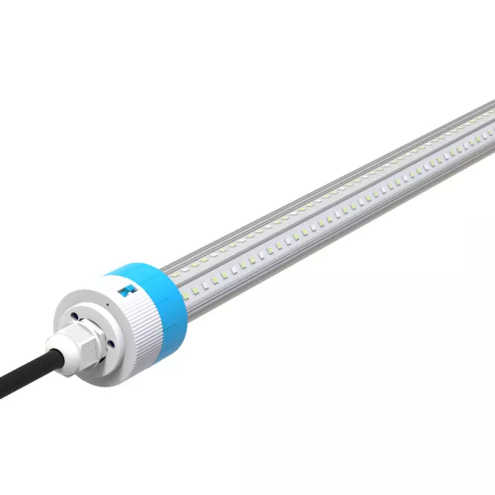
This guide explores the necessary balance between light and dark, detailing the physiological requirements of swine and highlighting how specialized technology like the szAMB IP67 T8 system provides the ideal solution for harsh barn environments.
The Science of Darkness: Why Pigs Need a Night Cycle
Pigs are diurnal animals, meaning their biological rhythm, or circadian cycle, is naturally aligned with daytime activity and nighttime rest. Disrupting this rhythm through continuous 24-hour light exposure can have detrimental effects on health, behavior, and production efficiency.
Melatonin, Stress, and the Immune System
The primary function of darkness is the production of the hormone melatonin. Melatonin is essential for regulating sleep patterns, supporting the immune system, and acting as a powerful antioxidant. In pigs, darkness must be true darkness—generally below 5 lux—for melatonin synthesis to occur properly.
Conversely, continuous light suppresses melatonin production and can artificially elevate cortisol (the stress hormone). Research consistently shows that pigs subjected to chronic light exposure exhibit higher stress levels, increased aggression, disruptive behaviors like tail-biting, and ultimately, reduced feed conversion efficiency.
The Optimal Photoperiod for Swine
Instead of 24/7 illumination, high-performance swine operations utilize a carefully calibrated photoperiod, typically ranging from 14 to 16 hours of light (L) followed by 8 to 10 hours of darkness (D).
This cycle is not arbitrary; it maximizes the benefits of both periods:
1. Day (Light Phase): Stimulates activity, promotes feed intake, and supports growth and reproductive hormone release (e.g., Prolactin and Insulin-like Growth Factor 1 or IGF-1).
2. Night (Dark Phase): Allows for essential rest, supports immune system recovery, and ensures necessary hormone regulation.
Maximizing Productivity Through Strategic Swine Light Management
The required light intensity and duration must be tailored precisely to the stage of the pig’s life cycle. Poorly implemented lighting leads to uneven growth and inconsistent reproductive performance.
| Swine Stage | Recommended Lux Range (Light Phase) | Key Biological Impact |
| Breeding/Gestation | 100–150+ lux | Long photoperiods improve ovarian activity and fertility rates in sows. High lux exposure for boars stimulates testosterone production and libido. |
| Farrowing | 50–100 lux (Day) / <5 lux (Night) | Adequate daytime light prevents crushed piglets. Gradual dimming or “Dim-to-Red” systems minimize stress on nursing sows and allow nighttime monitoring. |
| Finishing/Grower | 50–70 lux | Consistent, uniform light distribution encourages even growth across the population and promotes steady feed intake. |
Beyond intensity, the quality of the light—specifically its flicker rate and dimming capabilities—is paramount. Pigs are highly sensitive to rapid light changes and invisible flickering common in low-quality fixtures. True flicker-free operation, coupled with slow, realistic “dawn-to-dusk” transitions, is essential for maintaining a low-stress environment and encouraging natural behavior.
The Unique Challenge of the Swine Barn Environment
The rigorous environment of a swine barn poses unique demands on lighting fixtures that standard commercial LEDs cannot withstand. The atmosphere is consistently hostile, characterized by:
1. Ammonia and Acid Corrosion: Waste decomposition produces corrosive gases that degrade standard plastic and metal components, leading to early fixture failure, yellowing, and reduced light output.
2. High Humidity and Dust: The combination of moisture and dust can lead to electrical failures, short circuits, and dangerous overheating if the enclosure seal is compromised.
3. High-Pressure Washdowns (HPWD): Frequent, mandatory cleaning cycles expose fixtures directly to jets of water, requiring superior sealing and robust construction.
A true professional swine light solution must address these issues head-on to deliver longevity and reliability.
The Smart Barn Lighting Solution: Upgrade to szAMB IP67 T8 Pig lighting
For managers and producers seeking to modernize their facilities and ensure a long-term return on investment, the szAMB IP67 T8 Pig Lighting system offers a necessary blend of durability and biological optimization.
szAMB, a leading innovator in livestock LED lighting since 2006, engineered this T8 linear solution specifically to meet the extreme demands of the swine industry, providing a significant advantage over conventional fluorescent or non-specialized LED alternatives.
Key Features for Performance and Longevity
The szAMB IP67 T8 fixture is not just a tube light; it is a critical piece of infrastructure designed for the B2B agricultural sector:
1. IP67 level of protection: This level indicates that the device is fully capable of preventing dust from entering, and can withstand immersion in water as well as critical high-pressure and high-temperature flushing. This ensures that your electrical system can maintain a long service life and safety even under the most demanding cleaning procedures.
2. Ammonia and Corrosion Resistance: Utilizing specialized anti-ammonia and anti-acid materials, including durable PC or PMMA covers and corrosion-proof components, the light maintains its photometric performance without yellowing or failing prematurely due to barn gases.
3. Flicker-Free, 0.2%-100% Smooth Dimming: This advanced feature allows for perfect control over the entire light cycle. It enables the crucial Dim-to-Dark transitions that mimic natural sunrise and sunset, greatly reducing stress during light changes. It also supports precise light intensity management across gestation, nursery, and finishing stages.
4. Superior Efficiency and Lifespan: With high luminous efficiency (e.g., up to 140 lumens per watt) and an impressive rated lifespan of over 50,000 hours, the szAMB T8 dramatically reduces operational costs through lower energy consumption and minimal maintenance requirements over many years.
By upgrading to the szAMB IP67 T8 Pig lighting solution, swine producers are investing in a system that respects the physiological needs of the animal, maximizes performance, and minimizes long-term operational costs associated with fixture replacement and energy use.
Conclusion
The answer to whether pigs need light at night is clear: they require a measured, high-quality period of darkness to thrive. Effective lighting management is not about simple illumination; it is about providing the precise photoperiod necessary to optimize growth, reproductive performance, and welfare.
Moving beyond basic fixtures to an integrated, durable system like the szAMB IP67 T8 Pig Lighting | Smart Barn Lighting Solution is a strategic investment. It ensures your infrastructure can withstand the realities of the barn environment while delivering the scientifically optimized light quality that drives superior production results and maximum return on investment.