

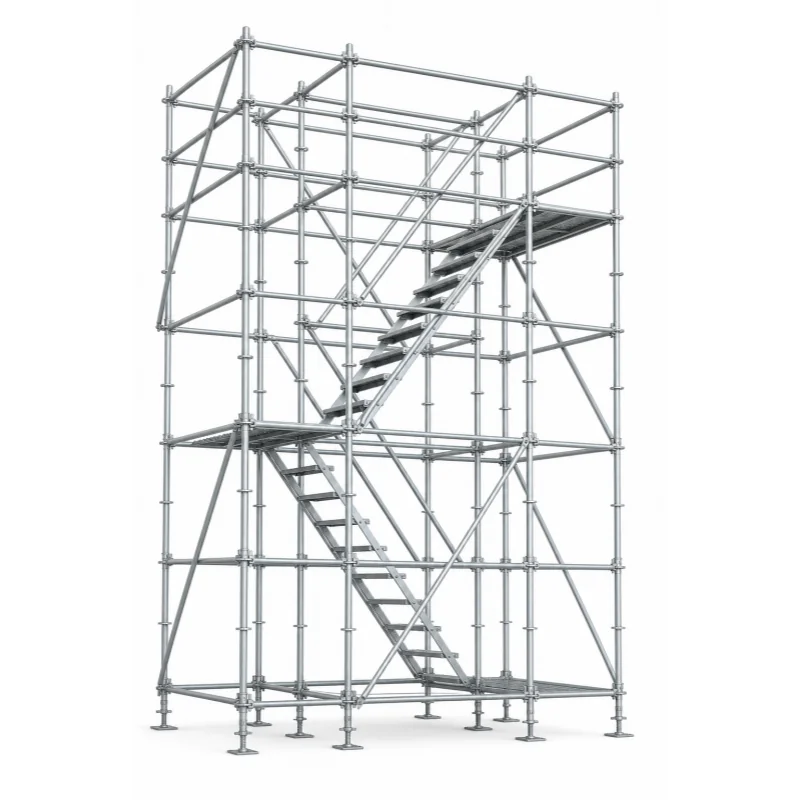
Temporary structures are an important part of many construction and industrial projects. They provide access, support, and working platforms during different stages of a project. However, the performance of a scaffold depends not only on the materials used but also on how each component connects with others. A ringlock scaffolding system uses a modular connection design that helps create flexible structures for different working conditions.
The connection design influences assembly methods, layout flexibility, and daily operation. By understanding how modular structures work, contractors and project teams can better evaluate equipment choices for construction, maintenance, infrastructure, and support applications.
Understanding the Role of Connection Design
The core idea behind modular scaffolding is creating a stable structure through organized connections. Vertical standards and horizontal ledgers work together to form a framework that can be adjusted according to project requirements.
A rosette connection provides multiple fixing points around the vertical standard. This allows horizontal components to connect at different angles and positions. The design helps workers create suitable layouts without relying on many additional connection parts.
This flexibility is useful when projects involve different heights, limited working spaces, or changing construction stages. Instead of rebuilding the entire structure, teams can modify certain sections according to actual site conditions.
The connection system also supports efficient installation planning. When components follow a consistent design, workers can understand the assembly process more easily and manage different scaffold sections in an organized way.
How One Connection Supports Different Applications
Construction projects vary greatly in their working environments. A residential building project may require exterior access platforms, while industrial facilities may need temporary structures around machines or production areas.
A ringlock scaffolding structure uses modular components that can be arranged for different purposes. The connection points allow contractors to create working platforms, access routes, and support frames based on the needs of each project.
Infrastructure maintenance is another area where adaptable structures are valuable. Bridges, transportation facilities, and large public structures may have complex shapes that require flexible installation plans. Adjustable connections help teams respond to these conditions.
For formwork support, stability and configuration are important considerations. The structure needs to match project dimensions while providing suitable support during construction activities. A modular approach allows teams to review layouts before installation and make adjustments when needed.
Evaluating Materials and Product Performance
Material selection plays an important role in scaffolding applications. Steel is commonly used because it provides the strength required for temporary structures. However, surface protection is also an important factor when equipment is exposed to outdoor environments.
A hot-dip galvanized finish can help improve corrosion resistance and support longer service periods in different working conditions. Buyers often consider both material quality and manufacturing processes when comparing scaffolding suppliers.
Rongze’s ringlock scaffolding system is designed for construction, industrial maintenance, infrastructure, and formwork support applications. It manufactures the modular solution with high-strength steel and a hot-dip galvanized finish, providing stability, corrosion resistance, and efficient modular assembly for demanding job sites.
For professional buyers, supplier evaluation usually includes production capability, quality control methods, and application experience. A supplier’s understanding of project conditions can help customers select suitable configurations instead of applying the same structure to every environment.
Planning Projects Around Practical Requirements
Before installing a scaffold, project teams usually review several details. Working height, expected loads, access locations, surrounding structures, and installation space can influence the final arrangement.
Good planning also affects transportation and storage. Modular components can be grouped according to their functions, making preparation easier when equipment needs to be moved between different project locations.
During use, regular inspection remains an important part of site management. Workers should check connection points, structural components, and overall conditions based on project procedures. Proper installation and maintenance support reliable operation throughout the working period.
The flexibility of a modular design also allows companies to consider future projects. Components that can be reused in different layouts may help improve equipment management and reduce unnecessary replacement.
Selecting the Right System for Long-Term Use
Choosing scaffolding equipment requires more than reviewing individual parts. Contractors need to understand how components work together and whether the structure matches the application environment.
A complete ringlock scaffolding system includes vertical standards, horizontal ledgers, base components, and related accessories. Reviewing the compatibility of these elements helps buyers understand whether the equipment can meet specific project requirements.
Different projects may have different priorities. Some focus on quick assembly, while others require adjustable layouts for complex working areas. Evaluating these factors before purchase can help companies develop more practical construction plans.
Rongze provides modular scaffolding solutions for professional users in construction and industrial fields. It focuses on manufacturing systems that support various applications, helping customers review product options based on project requirements and working conditions.
Creating Adaptable Structures Through Smart Connections
The connection method of scaffolding influences how easily a temporary structure can respond to changing project needs. A well-designed modular system allows teams to create organized layouts while supporting different working environments.
A ringlock scaffolding solution demonstrates how one connection concept can provide multiple configuration possibilities. From access platforms to support structures, the design helps contractors manage different construction situations with a more flexible approach.
For project managers and purchasing teams, understanding connection principles, material features, and application conditions is important when selecting equipment. The right choice depends on the specific environment, installation plan, and future usage expectations.
As construction methods continue to develop, modular scaffolding remains a practical option for projects requiring adjustable temporary structures. Careful planning, correct assembly, and routine management allow these systems to support different working stages with stable performance.