

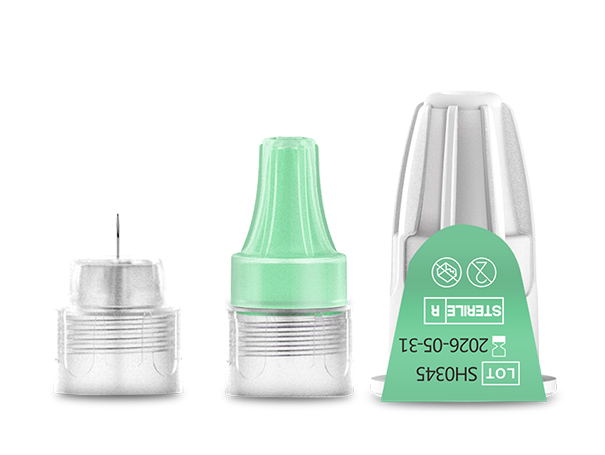
Home Product For many people, keeping diabetes under control often involves frequent subcutaneous injections. For many patients, the insulin pen serves as the primary method for delivering these vital therapies. The convenience of these devices sometimes leads to a common but problematic habit: reusing the disposable attachment. Medical guidelines generally advise against using a needle more than once. Healthcare professionals frequently emphasize the importance of using a fresh, sterile tip for every dose. Understanding the microscopic and physiological consequences of reuse can help patients and distributors appreciate the necessity of proper disposal. Repeated use often compromises both the structural integrity of the device and the patient’s overall comfort. The Microscopic Degradation of the Metal Tip To the naked eye, a used needle often looks identical to a brand-new one. However, under microscopic examination, the physical changes are usually quite dramatic. These small devices are engineered for a single puncture through the skin. Reusing them generally alters the carefully crafted geometry of the fine metal point. Loss of Protective Lubrication Manufacturers typically coat pen needles for insulin with a microscopic layer of medical-grade silicone. This specialized lubrication reduces friction, allowing the metal to glide smoothly through the subcutaneous tissue. During use, the needle’s lubrication can be affected by contact with the skin and surrounding tissues. When a patient attempts a second or third injection with the same tip, the lack of lubrication significantly increases friction. This reduced lubrication can result in an uncomfortable dragging sensation. Increased friction is a primary cause of the pain that patients frequently report when reusing disposable delivery devices. Deformation of the Bevel Premium medical devices feature a delicate, multi-beveled tip designed to slice cleanly through tissue. Because the metal is extraordinarily thin, the very tip remains highly susceptible to bending. Repeated use can deform or blunt the needle tip, particularly if the tip contacts hard surfaces or is subjected to repeated insertion. A deformed or blunted tip can increase tissue trauma compared with a new needle. This microscopic tearing often leads to increased bruising, bleeding, and localized inflammation at the injection site. Using a fresh device generally helps prevent this unnecessary and easily avoidable physical trauma. Increased Risk of Contamination and Infection Sterility is a fundamental requirement for any invasive medical procedure, including routine subcutaneous administration. A new disposable tip is sealed to help prevent the introduction of pathogens into the body. Once the protective paper seal is broken and the tip penetrates the skin, it is no longer considered sterile. After removal from the skin, the exposed metal can easily collect airborne bacteria from the surrounding environment. Additionally, microscopic traces of cellular material often remain on the surface. Reintroducing this contaminated surface into the body during a subsequent injection increases the risk of localized skin infections. Complications Affecting Medication Delivery Beyond physical discomfort and infection risks, reusing devices can sometimes impact the clinical efficacy of the treatment. The internal pathway of the cannula is extremely narrow. Residual medication left inside the tube after an injection can crystallize and harden when exposed to ambient air and varying temperatures. Clogging and Dosing Inaccuracy When liquid crystallizes inside the tiny lumen, it often creates a partial or complete blockage. If the pathway is partially obstructed, the patient might not receive their fully dialed dose, leading to unexpected blood sugar fluctuations. A completely blocked cannula can prevent medication delivery entirely. Leaving a used pen needle attached to the pen can increase the risk of air or contaminants entering the needle and may affect dose delivery or storage conditions. Removing the disposable tip after use can help protect the medication from contamination and support appropriate storage of the pen. The Development of Lipohypertrophy Repeated tissue trauma from blunted tips frequently contributes to a condition known as lipohypertrophy. This involves the formation of hard, fatty lumps under the skin at frequently used injection sites. Repeated injections at the same site can alter local subcutaneous tissue and contribute to the development of lipohypertrophy. Injecting medication into areas affected by lipohypertrophy can severely hinder absorption rates. The medication often absorbs unpredictably, making blood glucose management significantly more difficult. Regularly rotating injection sites and using pristine, sharp tips are primary strategies recommended to help avoid this disruptive tissue complication over time. The Role of Reliable Manufacturing To support the practice of single-use injections, healthcare buyers generally seek out highly reliable and affordable products. The manufacturing process plays a vital role in supporting patient access to consistently sharp devices. Consistent manufacturing quality can support the availability of pen needles that meet applicable performance and quality requirements. Distributors often look for trusted partners with robust quality control. A specialized manufacturer like SteriLance utilizes advanced automated inspection systems to help maintain dimensional accuracy and sharpness. Partnering with established medical supply companies helps ensure that the global market remains stocked with dependable, comfortable single-use options. Conclusion The practice of changing the disposable tip after every injection is an important component of effective diabetes management. Avoiding reuse helps minimize painful tissue trauma, reduces infection risks, and supports accurate dosing. A fresh, lubricated point is generally necessary for a comfortable and medically sound administration process. Educating patients on the microscopic degradation of these devices often helps promote better daily habits. By utilizing high-quality products sourced from reputable manufacturers, the healthcare industry continues to support safer treatments. Prioritizing single-use practices ultimately contributes to more stable and comfortable long-term health outcomes. Disclaimer: This content is provided for general health education and informational purposes only. It does not constitute medical advice, diagnosis, or treatment. Individual health conditions vary, and no health education article can replace a face-to-face consultation with a qualified healthcare professional or licensed medical institution. If you have specific health concerns or feel unwell, please seek care from a licensed medical facility and do not delay treatment because of content on this platform.


For many people, keeping diabetes under control often involves frequent subcutaneous injections. For many patients, the insulin pen serves as the primary method for delivering these vital therapies. The convenience of these devices sometimes leads to a common but problematic habit: reusing the disposable attachment. Medical guidelines generally advise against using a needle more than once. Healthcare professionals frequently emphasize the importance of using a fresh, sterile tip for every dose. Understanding the microscopic and physiological consequences of reuse can help patients and distributors appreciate the necessity of proper disposal. Repeated use often compromises both the structural integrity of the device and the patient’s overall comfort. The Microscopic Degradation of the Metal Tip To the naked eye, a used needle often looks identical to a brand-new one. However, under microscopic examination, the physical changes are usually quite dramatic. These small devices are engineered for a single puncture through the skin. Reusing them generally alters the carefully crafted geometry of the fine metal point. Loss of Protective Lubrication Manufacturers typically coat pen needles for insulin with a microscopic layer of medical-grade silicone. This specialized lubrication reduces friction, allowing the metal to glide smoothly through the subcutaneous tissue. During use, the needle’s lubrication can be affected by contact with the skin and surrounding tissues. When a patient attempts a second or third injection with the same tip, the lack of lubrication significantly increases friction. This reduced lubrication can result in an uncomfortable dragging sensation. Increased friction is a primary cause of the pain that patients frequently report when reusing disposable delivery devices. Deformation of the Bevel Premium medical devices feature a delicate, multi-beveled tip designed to slice cleanly through tissue. Because the metal is extraordinarily thin, the very tip remains highly susceptible to bending. Repeated use can deform or blunt the needle tip, particularly if the tip contacts hard surfaces or is subjected to repeated insertion. A deformed or blunted tip can increase tissue trauma compared with a new needle. This microscopic tearing often leads to increased bruising, bleeding, and localized inflammation at the injection site. Using a fresh device generally helps prevent this unnecessary and easily avoidable physical trauma. Increased Risk of Contamination and Infection Sterility is a fundamental requirement for any invasive medical procedure, including routine subcutaneous administration. A new disposable tip is sealed to help prevent the introduction of pathogens into the body. Once the protective paper seal is broken and the tip penetrates the skin, it is no longer considered sterile. After removal from the skin, the exposed metal can easily collect airborne bacteria from the surrounding environment. Additionally, microscopic traces of cellular material often remain on the surface. Reintroducing this contaminated surface into the body during a subsequent injection increases the risk of localized skin infections. Complications Affecting Medication Delivery Beyond physical discomfort and infection risks, reusing devices can sometimes impact the clinical efficacy of the treatment. The internal pathway of the cannula is extremely narrow. Residual medication left inside the tube after an injection can crystallize and harden when exposed to ambient air and varying temperatures. Clogging and Dosing Inaccuracy When liquid crystallizes inside the tiny lumen, it often creates a partial or complete blockage. If the pathway is partially obstructed, the patient might not receive their fully dialed dose, leading to unexpected blood sugar fluctuations. A completely blocked cannula can prevent medication delivery entirely. Leaving a used pen needle attached to the pen can increase the risk of air or contaminants entering the needle and may affect dose delivery or storage conditions. Removing the disposable tip after use can help protect the medication from contamination and support appropriate storage of the pen. The Development of Lipohypertrophy Repeated tissue trauma from blunted tips frequently contributes to a condition known as lipohypertrophy. This involves the formation of hard, fatty lumps under the skin at frequently used injection sites. Repeated injections at the same site can alter local subcutaneous tissue and contribute to the development of lipohypertrophy. Injecting medication into areas affected by lipohypertrophy can severely hinder absorption rates. The medication often absorbs unpredictably, making blood glucose management significantly more difficult. Regularly rotating injection sites and using pristine, sharp tips are primary strategies recommended to help avoid this disruptive tissue complication over time. The Role of Reliable Manufacturing To support the practice of single-use injections, healthcare buyers generally seek out highly reliable and affordable products. The manufacturing process plays a vital role in supporting patient access to consistently sharp devices. Consistent manufacturing quality can support the availability of pen needles that meet applicable performance and quality requirements. Distributors often look for trusted partners with robust quality control. A specialized manufacturer like SteriLance utilizes advanced automated inspection systems to help maintain dimensional accuracy and sharpness. Partnering with established medical supply companies helps ensure that the global market remains stocked with dependable, comfortable single-use options. Conclusion The practice of changing the disposable tip after every injection is an important component of effective diabetes management. Avoiding reuse helps minimize painful tissue trauma, reduces infection risks, and supports accurate dosing. A fresh, lubricated point is generally necessary for a comfortable and medically sound administration process. Educating patients on the microscopic degradation of these devices often helps promote better daily habits. By utilizing high-quality products sourced from reputable manufacturers, the healthcare industry continues to support safer treatments. Prioritizing single-use practices ultimately contributes to more stable and comfortable long-term health outcomes. Disclaimer: This content is provided for general health education and informational purposes only. It does not constitute medical advice, diagnosis, or treatment. Individual health conditions vary, and no health education article can replace a face-to-face consultation with a qualified healthcare professional or licensed medical institution. If you have specific health concerns or feel unwell, please seek care from a licensed medical facility and do not delay treatment because of content on this platform.

by annualnewscount
0 comment

Managing diabetes frequently involves routine subcutaneous injections. After administering medication, the proper handling of the disposable components becomes an immediate priority. Disposing of these items carelessly poses significant risks to household members, sanitation workers, and the general public. Understanding the safest methods for disposal helps protect communities.


The sharp metal tip of a used injection device carries microscopic traces of biological material. If a needle-stick injury occurs, this biological residue can potentially transmit bloodborne pathogens. To mitigate these risks, health organizations typically provide clear guidelines on post-injection procedures. Following established safety protocols remains highly important.


The Safe Removal Process

The first step in proper disposal involves safely detaching the component from the delivery device. Users are generally advised against attempting to recap the needle with the inner plastic shield. This small inner cap offers minimal protection and frequently leads to accidental finger pricks. Instead, utilizing the larger outer shield is generally the recommended approach for safer detachment.


After use, the needle should be placed directly into an appropriate sharps disposal container whenever possible, following the instructions for the specific pen needle. If the specific pen needle is designed to be removed before disposal, follow the manufacturer’s instructions for safely removing it from the pen.


This specific method helps keep fingers safely away from the sharp point. Used pen needles should be placed in the appropriate sharps container as soon as possible after use. Handling the device cautiously during this step helps minimize the potential for accidental skin punctures.

Using FDA-Cleared Sharps Containers in the United States

Dropping used medical sharps into regular household trash cans or recycling bins is highly discouraged. Ordinary plastic bags and cardboard boxes offer insufficient protection against sharp metal. Needles easily puncture these common materials, creating unexpected hazards for anyone handling the waste. Specialized containment is generally required.


The most secure disposal method involves utilizing an official sharps container specifically engineered for medical waste. These bins are typically made from rigid, puncture-resistant plastic to help prevent accidental injuries. They also feature leak-resistant bottoms and sides to contain any residual biological fluids safely. Furthermore, they are generally equipped with a tight-fitting lid.


Patients can usually purchase these specialized containers at local pharmacies, medical supply stores, or online retailers. When placing diabetic pen needles into the bin, the items should drop freely without forcing them. Pushing waste down into a nearly full container increases the risk of an accidental injury.

Managing Container Capacity

Monitoring the fill level of the disposal bin is an essential safety practice. Most standard containers feature a clearly marked fill line, often located roughly three-quarters of the way up the side. Users should generally stop adding items once the waste reaches this visual indicator line.


Overfilling the receptacle compromises the protective function of the lid and increases handling risks. When the container reaches its designated capacity, the user should secure the lid permanently. Many models feature a locking mechanism that snaps firmly into place to prevent reopening during transport or final disposal.

Navigating Community Disposal Regulations

Regulations regarding medical waste disposal vary considerably across different regions and municipalities. Local health departments frequently establish specific rules governing how residents should handle sharps. It is generally advisable for individuals to actively research the specific guidelines established by their local government or waste management authority.


Many communities offer designated drop-off locations for secured medical waste. These locations often include local hospitals, public health clinics, police stations, or specialized retail pharmacies. Utilizing these authorized collection sites helps ensure that the waste is handled and destroyed according to strict environmental and public safety standards.

Mail-Back Programs and Syringe Exchanges

In areas lacking convenient drop-off locations, mail-back programs often provide a highly practical alternative. These services typically supply users with a specialized container and pre-paid, safe shipping materials. Once filled, the secure package is mailed directly to a licensed facility for proper destruction.


Additionally, some regions operate syringe exchange programs or host community household hazardous waste collection days. These organized events frequently accept sealed sharps containers. Exploring these local resources generally helps patients find the most convenient and compliant method for discarding their used medical supplies in an environmentally responsible manner.

The Role of Responsible Manufacturing

The medical device industry plays a vital role in promoting safety through thoughtful product design. Manufacturers focusing on high-quality disposable supplies often incorporate features that support safer handling. Precision engineering generally helps ensure that hubs connect securely and detach smoothly, reducing the likelihood of accidents.


A prominent company like SteriLance prioritizes patient safety across its product lines. By focusing on stringent quality control and automated manufacturing, dedicated companies consistently produce dependable items. Reliable construction generally supports easier handling before and after medication administration. This commitment to precision manufacturing contributes to a safer overall experience for the end user.

Established manufacturers often hold international certifications, reflecting a commitment to strict quality management systems. This dedication to manufacturing excellence helps ensure that the global market has access to safe, effective disposable devices. Supporting responsible manufacturing practices aligns closely with broader public health and community safety goals worldwide.

Conclusion

Properly disposing of injection devices is an essential responsibility for anyone managing a daily medication routine. By prioritizing safe detachment techniques and utilizing puncture-resistant sharps containers, individuals significantly reduce the risk of accidental injuries. Adhering to these practices helps protect family members, pets, and local sanitation workers.


Navigating community guidelines and utilizing local drop-off programs further supports environmental safety. When patients combine responsible disposal habits with high-quality supplies from dedicated manufacturers, they contribute to a safer healthcare ecosystem. Prioritizing safe medical waste management remains a highly important component of comprehensive, long-term health maintenance.


Disclaimer: This content is provided for general health education and informational purposes only. It does not constitute medical advice, diagnosis, or treatment. Individual health conditions vary, and no health education article can replace a face-to-face consultation with a qualified healthcare professional or licensed medical institution. If you have specific health concerns or feel unwell, please seek care from a licensed medical facility and do not delay treatment because of content on this platform.


You may also like

Leave a Comment

About Us

Soledad is the Best Newspaper and Magazine WordPress Theme with tons of options and demos ready to import. This theme is perfect for blogs and excellent for online stores, news, magazine or review sites. Buy Soledad now!

Editor' Picks

Follow Us

2013 All Right Reserved. Designed and Developed by annualnewscount.