

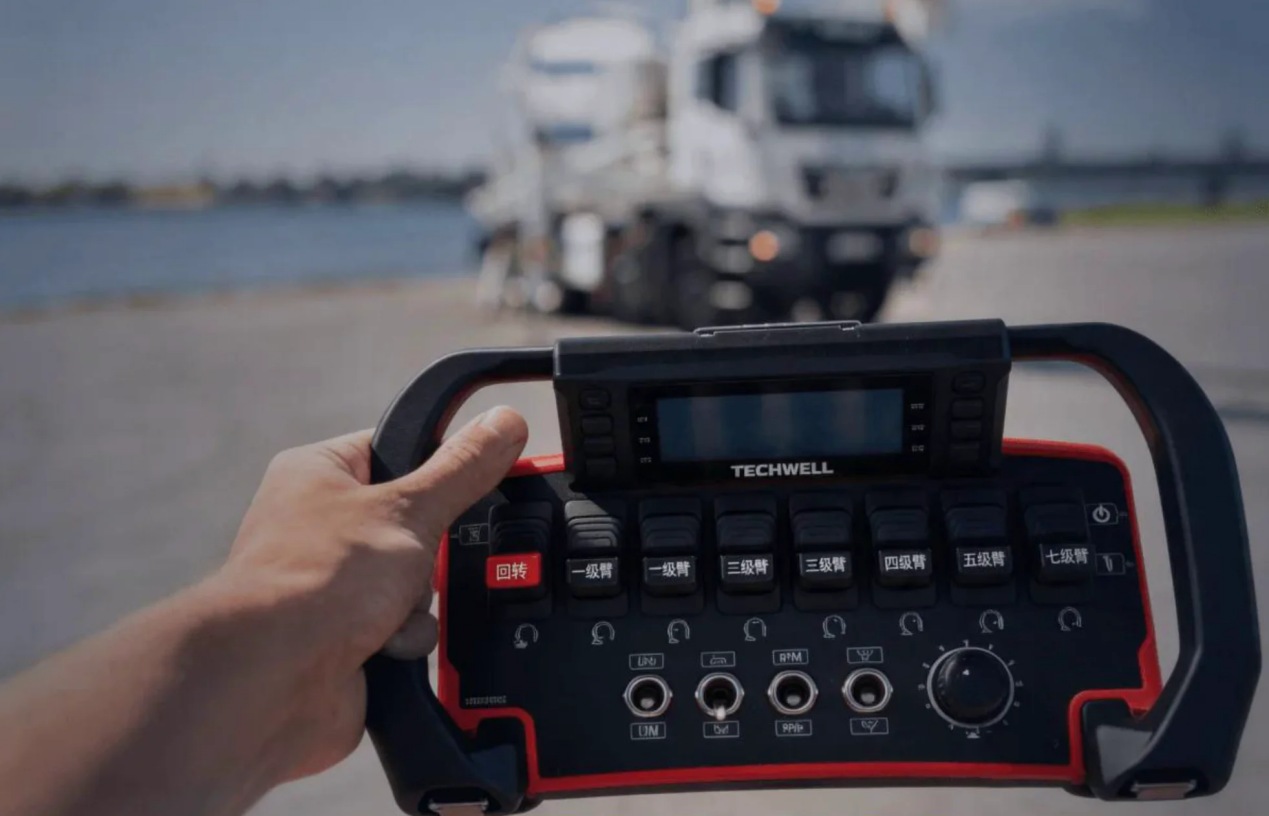
A transmitter is only half of an industrial wireless control system. Without a receiver engineered to work alongside it — matched in frequency, protocol, and physical integration — even a well-built handheld unit can underperform. Buyers sometimes evaluate transmitters and receivers as separate purchases, focusing on the device in the operator’s hand while treating the receiver as an afterthought. In practice, system performance depends on how well the two components work together, not on either one in isolation.
Why Pairing Matters More Than Individual Specs
A transmitter with excellent range and interference resistance can still produce inconsistent results if paired with a receiver that isn’t designed to the same standard. Signal encoding, channel configuration, and response timing all need to align between the two devices. Mismatched pairing — for instance, a receiver rated for a narrower temperature range than the transmitter it’s connected to — can create a weak point in an otherwise capable system. This is one reason manufacturers that design transmitters and receivers as a coordinated system, rather than assembling components from unrelated sources, tend to deliver more predictable field performance.
Frequency and Channel Alignment
Reliable communication starts with both devices operating on a coordinated frequency plan. Techwell Remote Control provides an automatic frequency switching function on its transmitter systems. When interference from other equipment occurs within the same frequency band, operators can activate the frequency switching function to allow the system to move to an available frequency and continue operating. This feature is relevant in industrial environments where multiple wireless devices may operate within overlapping frequency bands.
The transmitter and receiver must support a compatible communication protocol, frequency plan, and approved configuration. If their frequency settings or communication protocols are incompatible, normal communication may be affected or, in more serious cases, the devices may fail to establish communication altogether.
For sites with multiple pieces of equipment, such as ports and metallurgy plants, this alignment becomes especially relevant because surrounding machinery can contribute to electromagnetic interference.
Receiver Installation and Physical Integration
Compatibility isn’t limited to radio signals. A receiver also needs to physically integrate with the machine’s control cabinet, and this is where housing and mounting options come into play. Techwell’s industrial remote control receivers are offered in two configurations: the Magus series, and receivers built into Rittal control cabinets. The Rittal-cabinet option is intended for installations where the receiver needs to sit within an existing electrical enclosure alongside other control components, rather than as a standalone unit. Choosing the configuration that fits a machine’s existing wiring layout can reduce installation complexity and avoid retrofitting issues down the line.
One-Transmitter, Multiple-Receiver Configurations
Industrial wireless control systems may support configurations beyond a basic one-to-one transmitter-receiver pairing. In some crane applications, one transmitter can work with multiple receiver systems installed on different mechanisms of the same crane. For example, separate receivers may be assigned to the main trolley, auxiliary trolley, and hoisting mechanism, depending on the equipment’s control requirements. This arrangement allows different crane functions to be managed through a coordinated control setup.
Another configuration involves multiple transmitters sharing operating authority over cranes within the same work area. Techwell’s takeover-release function allows operators to transfer control authority between compatible transmitter systems through designated commands. One transmitter can release its operating authority, allowing another configured transmitter to take over. The actual number of supported devices and the operating sequence depend on the system configuration.
These functions require appropriate receiver addressing, transmitter pairing, and control logic. Equipment manufacturers should therefore consider the intended operating arrangement when specifying the wireless control system.
Environmental Consistency Between Components
Transmitters are the more visible part of a wireless control system, since operators carry them directly, but receivers are typically mounted on the machine itself and exposed to much of the same environment — vibration, temperature swings, and dust. If a receiver’s environmental rating falls short of the transmitter’s, the system’s overall reliability is effectively limited by its weaker component. Environmental ratings vary by model, so the transmitter and receiver specifications should be checked separately when evaluating a system for a specific operating environment. Matching environmental durability across both components helps reduce the risk of either part becoming a point of failure under harsh site conditions.
Testing the System as a Whole
Component-level testing only tells part of the story. Techwell reports 72-hour stress testing covering signal interference, temperature, and impact. However, system-level compatibility should also be evaluated with the intended transmitter-receiver configuration. Evaluating the transmitter and receiver together under the intended operating configuration can provide additional information about their communication compatibility and system response. Such testing should account for the selected frequency plan, communication protocol, receiver configuration, and relevant environmental conditions.
What This Means for Equipment Buyers
For equipment manufacturers and operators selecting a wireless control system, the practical takeaway is to evaluate the transmitter and receiver together rather than treating the receiver as a secondary accessory. A properly remote radio-controlled receiver & transmitter pair — aligned on frequency protocol, environmental rating, and installation format — tends to produce more consistent results than components sourced or specified independently. This is particularly relevant for OEM projects, where the receiver needs to integrate into an existing control cabinet design rather than operate as a generic add-on.
Conclusion
System performance in industrial wireless control depends on compatibility between the transmitter and receiver. Both components must support a compatible communication protocol, frequency plan, and approved configuration for the intended application. Their environmental ratings and pairing options should also match the operating requirements of the equipment and job site. Companies such as Techwell Remote Control provide transmitter and receiver products for coordinated wireless control applications across construction, port, and mining operations.