


A clinical development program may demonstrate strong progress in one market but face unexpected obstacles when it expands internationally. Regulatory expectations, patient recruitment conditions, investigator availability, and data requirements can vary significantly between countries. Managing these differences becomes increasingly difficult when a study involves multiple regions that must follow the same overall development strategy.
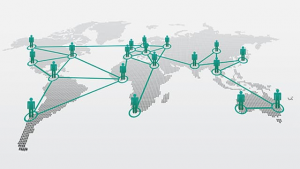
The challenge is not simply establishing more trial sites. It is creating a coordinated research framework where different markets can operate efficiently while maintaining consistent quality standards. This is where a global contract research organization becomes valuable. With international locations and integrated R&D capabilities, Tigermed helps pharmaceutical and biotechnology companies coordinate complex clinical development programs across global markets.
What Defines a Global CRO?
A global CRO is an organization capable of supporting clinical research activities across multiple countries and healthcare environments. Its services cover different stages of product development, including clinical trial management, regulatory support, medical writing, data management, biostatistics, and safety monitoring.
However, geographic coverage alone does not define a global CRO. International capability requires more than having teams in different locations. It requires standardized operating procedures, cross-border communication systems, and the ability to adapt global strategies according to local requirements.
This combination of consistency and flexibility allows research programs to move across regions without losing operational control. A sponsor working with a global CRO can coordinate different markets through a connected system rather than managing disconnected regional operations.
Why Regional CRO Experience May Not Be Enough
Regional CROs often provide valuable knowledge within their specific markets. Their understanding of local healthcare systems, investigators, and regulatory procedures can support efficient trial execution in a particular country or region.
The challenge appears when clinical development expands across several markets at the same time. Each additional country introduces new considerations, including regulatory submissions, site management requirements, recruitment strategies, and reporting expectations.
Using multiple regional providers may create additional coordination work. Different operational processes and communication methods can make it harder to maintain consistent standards throughout a multinational trial.
A global CRO addresses this issue by creating a unified operational structure. Regional teams can continue applying their local expertise, while centralized systems help maintain alignment across the entire clinical program.
Multi-Country Operations Create Greater Research Flexibility
International trials require coordinated management across different locations. Sponsors need to identify suitable sites, monitor progress, manage timelines, and maintain communication between teams operating in different healthcare environments.
A global research network provides broader access to clinical resources and market knowledge. This can improve site selection decisions and help teams design recruitment strategies that match local patient populations.
Asia-Pacific has become an important region in global drug development because of its diverse healthcare markets and expanding clinical research capabilities. However, each country has unique characteristics that influence trial execution.
Through its global locations, Tigermed connects regional expertise with international clinical research operations. This approach allows development programs to benefit from local market understanding while maintaining coordination across multiple regions.
Centralized Regulatory Expertise Reduces Development Risks
Regulatory requirements represent one of the most complex challenges in international clinical research. Different countries may have different expectations regarding trial applications, ethical reviews, safety reporting, and clinical documentation.
A regional provider may have deep experience with one regulatory environment, but multinational studies require broader coordination. Sponsors need strategies that consider differences between markets while keeping the overall development pathway consistent.
A global CRO can combine centralized regulatory knowledge with regional execution experience. This helps research teams prepare more effective approaches when entering new markets and reduces risks caused by regulatory misalignment.
For clinical programs involving multiple regulatory regions, this capability can improve communication between research teams, sponsors, and local authorities.
Unified Data Standards Improve Global Trial Consistency
Clinical trials conducted across multiple countries generate information from different sites, patient populations, and operational environments. Without consistent data processes, differences in collection methods and reporting practices may affect the reliability of clinical evidence.
Global clinical programs require standardized systems that allow data from different regions to be reviewed under consistent quality expectations. Centralized oversight, quality management procedures, and integrated technology platforms help maintain data accuracy throughout development.
This capability is particularly important when clinical results support regulatory submissions in several markets. Reliable data quality allows regulatory authorities to evaluate evidence with greater confidence regardless of where the trial was conducted.
Therapeutic Expertise Supports Complex Medical Innovation
Modern drug development increasingly involves complex therapies that require specialized knowledge. Oncology, rare diseases, immunology, and advanced therapies often involve unique trial designs, patient populations, and regulatory considerations.
A CRO with experience across therapeutic areas can provide deeper insight into clinical strategy and operational planning. Geographic reach alone is not enough; successful global development also depends on scientific understanding and execution capability.
The ability to combine therapeutic expertise with international operations allows research programs to respond more effectively to the demands of innovative medical development.
How Global CRO Capabilities Shape International Drug Development
As pharmaceutical innovation expands across borders, the role of CROs continues to evolve. Companies developing new therapies increasingly need partners that can connect regional knowledge with global standards, rather than relying only on isolated market expertise.
The difference between regional and global CRO capabilities lies in coordination. A global model combines multi-country operations, centralized regulatory knowledge, and unified quality systems within one development framework.
This integrated approach helps reduce complexity throughout international clinical programs. With its worldwide network and lifecycle-oriented R&D services, Tigermed demonstrates how modern CRO capabilities can support global drug development strategies. Organizations seeking international clinical research solutions increasingly recognize the value of a global contract research organization that can manage diverse markets while maintaining consistent operational standards.