

The Indian cosmetic dentistry market is undergoing a period of explosive growth, with industry projections estimating a rise from USD 1.63 billion in 2025 to over USD 4.1 billion by 2033. This remarkable 12.3% compound annual growth rate is fueled by a unique convergence of rising disposable incomes, a burgeoning young population, and the pervasive influence of social media. In 2026, a “smile” is increasingly viewed as a vital asset for personal branding and social confidence. This shift has moved aesthetic treatments—once considered elective luxuries for the elite—into the mainstream, as urban millennials and professionals seek out procedures like clear aligner therapy, porcelain veneers, and professional teeth whitening to enhance their appearance.
Beyond domestic demand, India has solidified its position as a global hub for dental tourism. International patients are drawn to the country not only for the cost-effective nature of the dental service but also for the high caliber of skilled professionals and the availability of world-class infrastructure. This dual demand from local and global consumers has placed significant pressure on Indian clinics to modernize. To maintain a competitive edge, practices are rapidly transitioning from traditional methods to high-precision, technology-driven workflows that prioritize aesthetic excellence and patient comfort.
The Digital Backbone of Modern Aesthetics
The cornerstone of this aesthetic revolution is the integration of advanced dental equipment into daily clinical practice. In 2026, the adoption of digital workflows has moved beyond the early-adopter phase, becoming the new standard for clinics aiming for superior results. Technologies such as Artificial Intelligence (AI) and CAD/CAM (Computer-Aided Design and Manufacturing) have fundamentally changed how dentists plan and execute “smile makeovers.” AI-driven software now allows practitioners to perform digital smile designs, providing patients with a realistic 3D preview of their treatment outcomes before any procedure begins. This visual transparency is a powerful tool for building trust and increasing the acceptance of complex aesthetic cases.
The shift toward “one-visit dentistry” is another major trend defining the current market. By utilizing chairside milling units and 3D printers, clinics can now design and manufacture customized crowns or veneers in a single appointment. This efficiency drastically reduces the traditional waiting period of several weeks, eliminating the need for temporary restorations and multiple patient visits. For a busy urban demographic, the convenience of a fast, high-quality dental service is a decisive factor when choosing a healthcare provider.
Innovation Showcased: MDfA and the FAMDENT Ecosystem
For dental professionals looking to navigate this high-growth sector, MDfA (Messe Düsseldorf for Asia) provides an essential platform for growth and procurement. As a global leader in organizing medical trade fairs, MDfA brings international manufacturing excellence to the doorstep of the Indian practitioner. These exhibitions serve as a critical bridge, allowing clinic owners to interact directly with the brands that are defining the future of aesthetic dentistry. By participating in these professionally curated events, attendees can stay ahead of the curve, ensuring their investments in new technology are backed by hands-on experience and comparative market analysis.
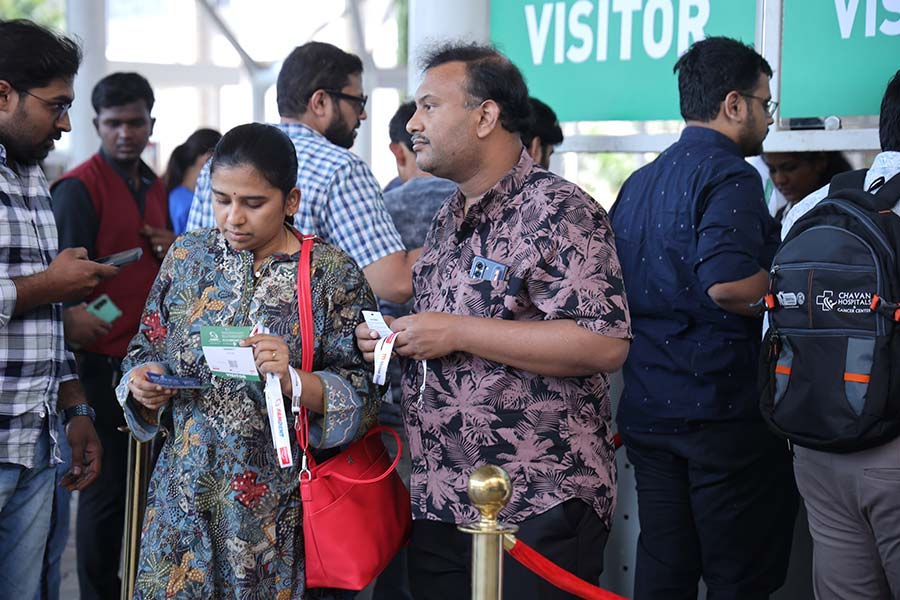
A focal point for this industry transformation is the upcoming FAMDENT Exhibition in Hyderabad. Scheduled for February 7–8, 2026, at the HITEX Exhibition Center, this event is one of South India’s most significant gatherings for the dental community. With over 120 exhibitors, the show offers a comprehensive look at the latest clinical and laboratory innovations. The exhibition is strategically timed and located to cater to the booming healthcare economy of the Telangana and Andhra Pradesh regions, where the demand for premium aesthetic services is particularly high.
Precision Tools for Aesthetic Excellence
Attendees at the FAMDENT Exhibition Hyderabad can expect to explore a vast array of specialized dental equipment tailored for aesthetic excellence. High-resolution intraoral scanners will be a major highlight, as they are the primary gateway to the digital workflow. These devices replace uncomfortable putty impressions with a fast, non-invasive digital scan that offers micron-level precision. This accuracy is vital for aesthetic procedures like veneers and clear aligners, where the perfect fit is essential for both function and beauty.
Furthermore, the exhibition will feature the latest in laser dentistry—a technology that has become indispensable for minimally invasive aesthetic procedures. Dental lasers allow for precise gingival contouring (gum lifts) and pain-free cavity preparation, ensuring a faster healing process and a more pleasant patient experience. By iting the HITEX Exhibition Center, practitioners can also evaluate advanced 3D printing solutions that enable the in-house production of surgical guides and aligners, providing them with greater control over the quality and cost of their aesthetic offerings.
Conclusion
The rise of aesthetic dentistry in India represents more than just a trend; it is a fundamental maturation of the healthcare market. As we move through 2026, the success of a dental practice will depend on its ability to blend clinical artistry with cutting-edge technology. By leveraging the business and educational opportunities provided by MDfA and attending landmark events like the FAMDENT Exhibition Hyderabad, Indian dentists can position themselves at the forefront of this lucrative sector. All industry stakeholders could visit the official MDfA trade fair portal to discover how they can elevate their practice to meet the global standards of modern aesthetic care.