

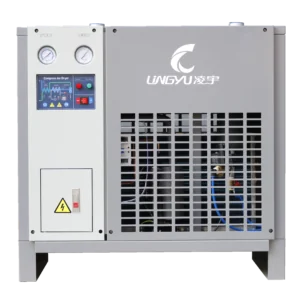
Compressed air is a vital resource in industrial operations, but moisture in the system can lead to equipment damage, reduced efficiency, and production delays. A refrigerated air dryer is specifically designed to remove water vapor from compressed air, ensuring reliable and consistent air quality for various applications.
Key Applications of a Refrigerated Air Dryer
A refrigerated air dryer is used wherever dry, clean compressed air is critical:
Pneumatic Tools: Moisture can cause corrosion, sticking, or malfunction in tools like air drills, grinders, and spray guns. A refrigerated air dryer keeps the air dry, extending tool life and maintaining performance.
Manufacturing Processes: In production lines, moisture can affect paint spraying, packaging, printing, and assembly operations. Dry air ensures consistent results and reduces the risk of product defects.
Laboratory and Medical Equipment: Compressed air used in laboratories or for medical applications must be dry to prevent contamination or equipment failure. Refrigerated air dryers help maintain strict air quality standards.
Automotive and Workshop Applications: Workshops using compressed air for tire inflation, pneumatic lifts, or air-operated machinery benefit from moisture-free air, preventing corrosion and costly repairs.
Why Lingyu’s Refrigerated Air Dryer is Suitable
Lingyu provides a 75 CFM (air-cooled) refrigerated air dryer designed for small to medium industrial applications. Its primary function is to remove moisture from compressed air, ensuring a stable pressure dew point for consistent performance. Compact and energy-efficient, this dryer is ideal for workshops, production lines, and packaging facilities. By keeping compressed air dry, Lingyu’s solution protects tools, machinery, and products from moisture-related problems.
Conclusion
The primary use of a refrigerated air dryer is to provide dry, reliable compressed air for a wide range of industrial, workshop, and laboratory applications. Lingyu’s 75 CFM air-cooled model delivers efficient moisture removal while minimizing maintenance needs. Ensuring dry compressed air is essential for protecting equipment, maintaining product quality, and reducing operational downtime.